
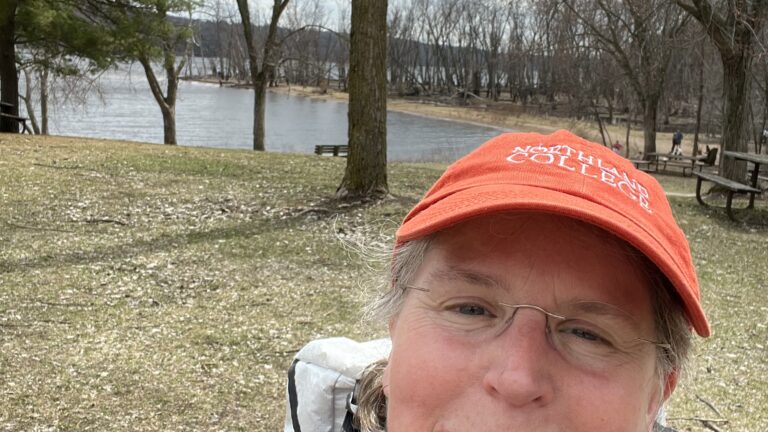
This post covers some of the nitty-gritty about how I exercise with a chronic illness.
As an Amazon Associate, I earn from qualifying purchases.
Who is Betsy Leighton?
I’m a writer, blogger, and healer dedicated to helping individuals reconnect with their innate peace and wholeness by healing nervous system dysregulation. My personal experience with chronic illness called Mast Cell Activation Syndrome (MCAS) shapes my work, and my content offers tools to empower those with chronic illness to improve their well-being and take charge of their health.
I created the Sacred Self-Healing Method and am a trained and certified Safe and Sound Protocol provider, an author, blogger, and A Course in Miracles Teacher. I hold a Master of Divinity in Spiritual Counseling and am a trained spiritual mentor, with certificates in sound healing, aromatherapy, nutrition, and Sacred Deathcare. I offer a self-study certificate program in the Sacred Self-Healing Method, provide spiritual counseling and coaching, courses, and supported subscriptions for the Safe and Sound Protocol.
What is MCAS?
Mast Cell Activation Syndrome (MCAS) is a chronic condition that affects all organ systems. It can cause severe, disabling symptoms every day, including potentially fatal anaphylaxis.
The common triggers for MCAS are infections, toxic exposures including mold exposure and EMFs, trauma, concussions, and stress.
MCAS often occurs with other chronic conditions like Ehlers-Danlos Syndrome (EDS) and Postural Orthostatic Tachycardia Syndrome (POTS). Managing MCAS is challenging because many healthcare providers are unaware of it, and diagnostic tests can be unreliable. Treatments include antihistamines and mast cell stabilizers in the form of medications and supplements, along with avoiding triggers. Check out this post on managing MCAS.
Where I started
I have a chronic illness called Mast Cell Activation Syndrome, and over the past two years, I’ve gradually increased my exercise tolerance. In June of 2024, I began solo backpacking the Superior Hiking Trail, and at that time, I could only walk one mile. As my stamina and strength grew, I increased my pack weight and my furtherst daily mileage to up to 38 miles. This post discusses the long road I took from not being able to exercise at all to being able to solo backpack.
I’ve done a lot of work to heal infections and toxic mold exposure, improve my gut health, and nervous system retraining. Along with those things, I found being in nature in sync with my circadian rhythm to be a huge piece of my healing path.
Pain management
Whenever you engage in physical exercise, your body’s muscle fibers undergo microscopic damage—commonly referred to as micro-tears—as a natural part of the process. This breakdown triggers an inflammatory response, which is the body’s way of initiating repair and adaptation. During this healing phase, the inflammation can lead to temporary pain and discomfort, which is typically a sign that the muscles are actively recovering. Additionally, the inflammatory process may stimulate mast cells to degranulate, releasing various chemical mediators such as histamine and cytokines. These substances can contribute to localized swelling, redness, and further sensations of soreness. While this response is normal and essential for muscle growth and strength development, it’s important to recognize that it’s part of a broader physiological process that balances stress and recovery in the body. This post covers the products I use to address pain.
What supports my body?
The most impactful thing I’ve done to treat my chronic illness and be able to exercise more is to work on healing my nervous system. This post covers nervous system dysregulation and how to heal it.
Supportive movements for core strength and stamina
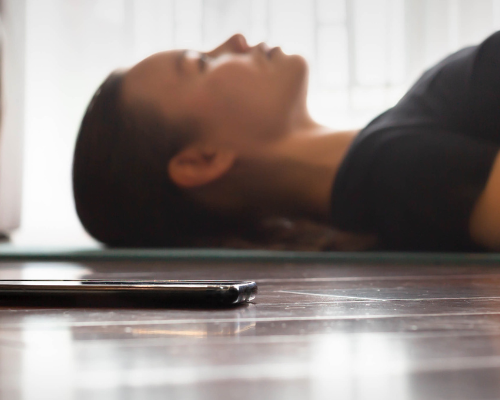
I’ve found a combination of yoga five times per week, Pilates three times per week, and gentle Qigong-type movements five times per week supports my body to be able to exercise at a high level.
You can read this blog post on my gentle Qigong movement practice.
I’ve taken years of yoga and Pilates mat classes, and I came up with a sequence of asanas and movements that work best for me and support my core strength. I typically do a 15-minute yoga practice every weekday, and on Monday, Wednesday, and Friday, I add in 15 minutes of Pilates mat exercises.
I also do the Qigong movements Monday-Friday.
In the spring, summer, and fall months, I train by taking a hike at a local regional park or state park, wearing my weighted backpack.
In the winter, I usually ski at local ski areas that make snow five days per week.
Heat intolerance, sun sensitivity, and temperature dysregulation
Heat and sun act as direct physical triggers for Mast Cell Activation Syndrome (MCAS). When a person exercises, their core body temperature rises, and sweat is produced, which can overload the immune system and cause a severe degranulation of mast cells.
The combination of heat intolerance, sun sensitivity, and exercise creates several distinct physiological challenges:
- Histamine Release: Heat dilates blood vessels and causes the skin’s pH to change due to sweat. This directly stimulates mast cells to dump excess histamine and inflammatory mediators into the bloodstream, leading to rapid flushing, hives, and itching.
- Temperature Stacking: Exercise alone naturally increases your core temperature. If combined with a hot environment or direct sun exposure, the body cannot cool itself effectively, escalating the severity of your MCAS symptoms.
- Sunlight Activation: For many, UV rays provoke localized skin reactions (like burning or rashes) and systemic symptoms (like brain fog or fatigue) even when temperatures are mild.
- Dysautonomia Overlap: Many people with MCAS also have a form of dysautonomia or POTS. Heat causes blood vessels to dilate and pool blood, which can lead to rapid heart rates, dizziness, and fainting during a workout.
How to Mitigate Symptoms
- Control the Environment: If you can’t tolerate exercising outdoors, exercise indoors in an air-conditioned space or utilize a cooling vest or neck fan to keep your core temperature stable.
- Time It Right: Work out early in the morning or late in the evening to avoid the heat of the day and intense UV rays.
- Pre-Medicate & Hydrate: Lower your overall histamine load by taking your prescribed MCAS medications (e.g., antihistamines or mast cell stabilizers) and drinking ice-cold water before starting.
- Protect the Skin: Wear UPF-rated clothing and physical (zinc oxide) sunscreen to block UV rays and prevent your skin from reacting to the sun’s radiation.
Many types of exercise take place outdoors, exposing individuals to various natural elements such as sunlight, wind, rain, and changing temperatures. Whether it’s jogging through a park, hiking in the mountains, cycling on a trail, or playing sports in an open field, these activities often occur in environments where participants are directly influenced by the weather and natural conditions. This outdoor exposure not only adds variety to physical routines but also presents unique challenges, such as adjusting to heat, cold, or sudden changes in weather. As a result, outdoor exercise can enhance physical fitness while also requiring individuals to be mindful of environmental factors and their impact on overall well-being. This post covers temperature dysregulation and how it impacts those with MCAS.
Supportive medications and supplements
I carry Nettle Quercetin capsules and Claritin with me whenever I’m out exercising, as they are my go-to mast cell stabilizers. If I start feeling excess inflammation or allergic symptoms, I take Nettle Quercetin, and if the symptoms continue to worsen, I take Claritin. You can read more about managing your symptom progression here.
This post discusses how to tolerate exercise with a chronic illness.
This post covers the medications and supplements in my rescue kit.
Supportive foods
By far, avoiding sugar makes the biggest impact on my inflammation and pain, which in turn allows me to exercise more and better. This post covers why that is.
In terms of fueling your body for exercise, this post covers the best diet for MCAS. This post delves into antihistamine foods. This post covers finding the foods that you tolerate best with a chronic illness. This post provides some recipes for MCAS-friendly backpacking foods.
Avoiding triggers
Many people with MCAS and other chronic illnesses react to environmental triggers, toxins, and have chemical sensitivities. This post discusses toxins that can trigger MCAS reactions and sensitivities. This post covers how to narrow down food and chemical triggers. This post discusses how to address chemical sensitivities.
Why solo backpacking?
In 2024, I solo backpacked most of the Superior Hiking Trail and wrote a book about the experience. I have a chronic illness called Mast Cell Activation Syndrome (MCAS), which causes symptoms of severe inflammation, pain, and allergic-type reactions. I’ve managed my condition with dietary changes, antihistamines, and mast cell stabilizers. In solo backpacking, I’ve found a hobby that keeps me fit, challenges me, and actually helps me manage my symptoms. Over the past two years, I’ve gradually increased my exercise tolerance, starting from not being able to exercise at all. In June of 2024, I began solo backpacking the Superior Hiking Trail, and at that time, I could only walk one mile. As my stamina and strength grew, I increased my pack weight and mileage until I reached my furtherst daily distance of up to 38 miles.
I’ve done a lot of work to heal MCAS by treating infections and toxic mold exposure, improving my gut health, and retraining my nervous system. Along with those things, I found being in nature in sync with my circadian rhythm to be a huge piece of my healing path.
In 2025, I solo backpacked across northern Wisconsin in four sections on the NCT with the help of some trail angels who shuttled me from one trailhead to another. If you’re interested in reading about my past sections of the NCT, check out my blog: https://betsyleighton.com/solo-backpacking/
In 2026, I’m aiming to solo backpack the 550-mile section of the NCT in the Upper Peninsula of Michigan.
Why the North Country Trail?
The North Country Trail spans 4800 miles from North Dakota to Vermont, and traverses my home state of Minnesota. I was attracted to exploring the Superior Hiking Trail, which is a segment of the NCT in Minnesota, first because it holds fond memories from my childhood. But once I finished the SHT, I was hooked on solo backpacking and wanted to continue to explore the North Country Trail, where it picks up after the SHT at the Western border of Wisconsin. From there, I’ve set my sights on completing the entire NCT over the next few years, and I hope to solo backpack at least 500 miles per season.
Gear
My backpack weight is usually about 20 pounds on a typical 3-day solo backpacking trip. My base weight is a little under 13 pounds–which includes my shelter (tent), sleep system (quilt, sleeping pad, inflatable pillow, etc.), and basic safety gear for first aid and gear repair. Food and water are the heaviest items in my pack, and they add another 7-10 pounds to my pack. You should really only carry 15% of your body weight on your back, so that limits what I can carry. I’ve tried a lot of different gear setups, and have found that with my petite 5’2″ frame and weight, it works best for me to use ultralight backpacking gear. You can check out my gear list here.
Sewing
With MCAS, I react to many fabrics, scents, foods, and textures. I’ve sewn a lot of my own backpacking clothing because it allows me to use the fabrics I tolerate and create fits that suit my style and comfort. You can check out my sewing projects here.
Tolerating exercise
This post covers the unique challenges to exercising when you have a chronic illness and offers tips and tricks I’ve found to make it work when you have physical limitations.
The bucket theory
The bucket theory simplifies understanding symptom reactions with MCAS. Imagine your body as an empty bucket you don’t want to overflow. Reactions to various stimuli fill the histamine bucket at different rates, forming the total histamine level (how full your bucket is). More histamine means more symptoms. By managing triggers, reducing exposures, and taking medications and supplements, you can control your bucket’s level.
Know your typical symptom progression
Understanding your symptom progression during a flare is key to developing your rescue plan. This post discusses how to recognize symptom progression so you can be prepared to address them.
Get my free ebook, symptom log, and meal plan!
Want a tool to easily track your symptoms?
Check out these circadian health tools!
I’m an affiliate with Bon Charge, a company that makes tools for circadian health, and you can receive 15% off your order with my coupon code BETSYL.
Bon Charge offers tools such as yellow– and red-tone blue-blocking glasses, red light therapy devices, PEMF mats, infrared saunas, and EMF-blocking products.
Sign up for the SSP!
I’ve found the Safe and Sound Protocol (SSP) to be the most helpful bottom-up healing strategy if your nervous system has been overloaded with toxic exposures, including mold or non-native EMFs, chronic infections, concussions, stress, or trauma. The SSP is a passive listening therapy that helps heal nervous system dysregulation. Many people with MCAS and other chronic conditions have nervous system dysregulation stemming from infections, toxic exposures, concussions, and trauma. The SSP is an easy-to-use app that lets you listen to specially filtered music for 30 minutes each day as part of a 5-hour cycle. Studies show the SSP has a profound effect on mental health and chronic conditions. Here’s a short podcast describing the Safe and Sound Protocol.
You can sign up for the SSP here!
Heal your mind!
While the SSP is a bottom-up, somatic therapy for healing the nervous system, the Sacred Self-Healing Method I offer is a top-down nervous system-healing modality that focuses on cognition, attention, perception, and emotion, using the mind’s higher functions. The SSP and the Sacred Self-Healing Method complement each other and together produce lasting results. Here’s a short podcast on my self-healing practice.
I provide one-on-one in-person and remote chronic illness and caregiver coaching, as well as Sacred Self-Healing Sessions based on the Sacred Self-Healing Method, a proven, novel co-creative healing modality detailed in my Books.
Order my books!
Here’s a short podcast highlighting my five books.
My latest book, Living In The Light: Healing with Forgiveness, Sound, and Light, is all about the tools that have been most helpful for me to heal: forgiveness, sound, through nervous system retraining using the Safe and Sound Protocol, and light, through entraining my circadian rhythm with the energy of the sun. Living In The Light is available here!
Rocks and Roots chronicles my solo backpacking journey on the Superior Hiking Trail and my efforts to overcome nervous system dysregulation, gut dysbiosis, and Mast Cell Activation Syndrome symptoms to complete the 328-mile hike successfully.
The Sacred Self-Healing Method ebook is available here and in most ebook retailers!
The Sacred Self-Healing Workbook is available for purchase here!
Betsy’s first book, Sacred Self-Healing: Finding Peace Through Forgiveness, is available here
Companion Recordings
The companion audio recordings of chants, guided meditations, and sound healing demonstrations that accompany the Sacred Self-Healing Method are available for free on my YouTube channel here
What do you think?
I’d love to have your reply below!
Disclaimer
The preceding material does not constitute medical advice. This information is for information purposes only and is not intended to be a substitute for professional medical advice, diagnosis, cure, or treatment.