
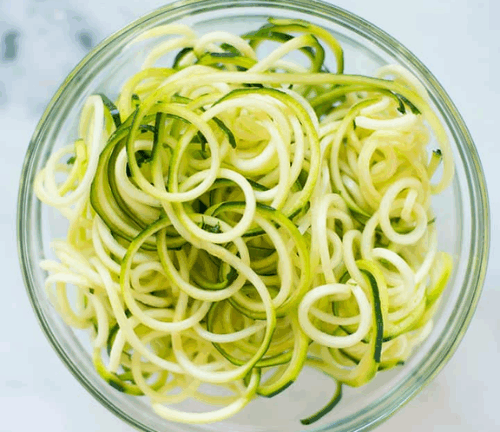
This post shares some MCAS-friendly backpacking meals that use ingredients generally tolerated by most people.
I have a chronic illness called Mast Cell Activation Syndrome (MCAS), and I’m not able to tolerate many commercially available dehydrated meals for camping and backpacking. So, this do-it-yourself hack has allowed me to make meals I can tolerate while backpacking.
As an Amazon Associate, I earn from qualifying purchases.
Table of Contents
Who is Betsy Leighton?
I’m a writer, blogger, and healer dedicated to helping individuals reconnect with their innate peace and wholeness by healing nervous system dysregulation. My personal experience with chronic illness called Mast Cell Activation Syndrome (MCAS) shapes my work, and my content offers tools to empower those with chronic illness to improve their well-being and take charge of their health.
I created the Sacred Self-Healing Method and am a trained and certified Safe and Sound Protocol provider, an author, blogger, and A Course in Miracles Teacher. I hold a Master of Divinity in Spiritual Counseling and am a trained spiritual mentor, with certificates in sound healing, aromatherapy, nutrition, and Sacred Deathcare. I offer a self-study certificate program in the Sacred Self-Healing Method, provide spiritual counseling and coaching, courses, and supported subscriptions for the Safe and Sound Protocol.
What is MCAS?
Mast Cell Activation Syndrome (MCAS) is a chronic condition that affects all organ systems. It can cause severe, disabling symptoms every day, including potentially fatal anaphylaxis.
The common triggers for MCAS are infections, toxic exposures including mold exposure and EMFs, trauma, concussions, and stress.
MCAS often occurs with other chronic conditions like Ehlers-Danlos Syndrome (EDS) and Postural Orthostatic Tachycardia Syndrome (POTS). Managing MCAS is challenging because many healthcare providers are unaware of it, and diagnostic tests can be unreliable. Treatments include antihistamines and mast cell stabilizers in the form of medications and supplements, along with avoiding triggers. Check out this post on managing MCAS.
Use foods that you tolerate
I’ve posted here many times before about how to track your MCAS symptoms and find the foods that you tolerate.
This post discusses anti-histamine foods for those with MCAS.
This post highlights the most commonly tolerated foods for those with MCAS.
Dehydrating meals for backpacking
Packaged dehydrated backpacking meals often include problematic ingredients for those with MCAS, sulfur intolerance, or issues with salicylates or oxalates. I need to avoid garlic, and that is a common ingredient in packaged meals. Packaged backpacking meals are also quite expensive, ranging from $6 to $18 per packet. That adds up quickly if you are planning a trip over a few days!
But when you know your list of tolerated foods, you can adapt recipes to work on the trail. This site (I’m not affiliated with them) offers a ton of recipes that can be customized to your dietary needs, and they also sell airtight packaging supplies to store your meals for the trail.
Zucchini to the rescue!
One of my main tolerated staple foods is zucchini. I use it spiralized as noodles, in sheets for lasagna, grated in salads, in quick breads and muffins, and it can even be made into flour. Zucchini has a mild flavor that takes on whatever seasonings you are using.
It’s pretty easy to dehydrate vegetable noodles from spiralized zucchini, daikon radish, and butternut squash. They dehydrate quickly in the oven on the lowest temperature setting or in a dehydrator.
If you tolerate zucchini, you can use the recipes below as-is. Otherwise, swap out the zucchini for a food you tolerate, such as summer squash, daikon radish, butternut squash, beet, carrot, or a vegetable of your choice.
Ingredients and supplies for making these meals
I like to use mylar zipper pouches to store my dehydrated meals. These pouches come with oxygen absorbers to keep the meals fresh until you are ready to use them.
I also like to use instant potato flakes in backpacking meals because they are light, filling, and tasty.
To add protein to my backpacking meals, I buy freeze-dried chicken. Just remember that once you open the package, you will need to either use it all up in meals or reseal it with an oxygen absorber to keep it fresh.
Another ingredient that adds flavor is dried oyster mushroom powder.
How to dehydrate zucchini spirals or “zoodles”
To dehydrate zucchini spirals in the oven:
- Preheat the oven to a low temperature, usually between 150°F and 200°F
- Trim the ends of the zucchini and use a spiralizer to make thin linguini-sized “noodles.”
- Place the zucchini spirals on a baking sheet
- Dehydrate for 6–12 hours, or until the zucchini noodles are dry and brittle and break instead of bending
To dehydrate zucchini spirals in a dehydrator:
- Prepare the zoodles by spiralizing the zucchini into linguini-sized noodles.
- Arrange the zoodles on the dehydrator trays, leaving space between them for air circulation. A mesh tray liner can prevent the zoodles from falling through the holes.
- Set the dehydrator to a temperature between 125°F and 140°F, depending on your machine. Dehydrate for 6–12 hours, or until the zoodles are dry and brittle enough to break instead of bend. Depending on your machine, you may need to rotate the trays occasionally to promote even drying.
Three backpacking meals using dehydrated “zoodles”
Here are a couple of dehydrated backpacking meal recipes using dehydrated “zoodles.”
Ingredients
Equipment
Method
- Place the dehydrated spiralized zoodles into a sealable pouch, such as a mylar zipper pouch. Add the remaining ingredients.
- Add an oxygen absorber packet (available online) to the pouch before sealing it.
- Using an iron on the "cotton" setting, and a wooden board as your ironing surface, seal the pouch shut with the heat of the iron. Make sure to have the steam setting turned off while doing this.
- To rehydrate the meal, boil a cup of water. Open the pouch and add the boiling water, stirring the ingredients briefly. Zip the pouch closed and let sit for about five minutes to rehydrate.
Tried this recipe?
Let us know how it was!Here’s an Asian-inspired recipe:
Ingredients
Equipment
Method
- Place all of the ingredients in a mylar zipper pouch. Add an oxygen absorber. Use a wooden board as your work surface, and seal the mylar bag using an iron set on the "cotton" setting. (Make sure the steam is turned off)
- To rehydrate the meal, boil a cup of water. Open the pouch and add the water, stirring briefly. Zip the pouch closed and let sit for about five minutes to rehydrate. Enjoy!
Tried this recipe?
Let us know how it was!The bucket theory
The bucket theory simplifies understanding symptom reactions with MCAS. Imagine your body as an empty bucket you don’t want to overflow. Reactions to various stimuli fill the histamine bucket at different rates, forming the total histamine level (how full your bucket is). More histamine means more symptoms. By managing triggers, reducing exposures, and taking medications and supplements, you can control your bucket’s level.
Know your typical symptom progression
Understanding your symptom progression during a flare is key to developing your rescue plan. This post discusses how to recognize symptom progression so you can be prepared to address them.
Get my free ebook, symptom log, and meal plan!
Want a tool to easily track your symptoms?
Check out these circadian health tools!
I’m an affiliate with Bon Charge, a company that makes tools for circadian health, and you can receive 15% off your order with my coupon code BETSYL.
Bon Charge offers tools such as yellow– and red-tone blue-blocking glasses, red light therapy devices, PEMF mats, infrared saunas, and EMF-blocking products.
Sign up for the SSP!
I’ve found the Safe and Sound Protocol (SSP) to be the most helpful bottom-up healing strategy if your nervous system has been overloaded with toxic exposures, including mold or non-native EMFs, chronic infections, concussions, stress, or trauma. The SSP is a passive listening therapy that helps heal nervous system dysregulation. Many people with MCAS and other chronic conditions have nervous system dysregulation stemming from infections, toxic exposures, concussions, and trauma. The SSP is an easy-to-use app that lets you listen to specially filtered music for 30 minutes each day as part of a 5-hour cycle. Studies show the SSP has a profound effect on mental health and chronic conditions. Here’s a short podcast describing the Safe and Sound Protocol.
You can sign up for the SSP here!
Heal your mind!
While the SSP is a bottom-up, somatic therapy for healing the nervous system, the Sacred Self-Healing Method I offer is a top-down nervous system-healing modality that focuses on cognition, attention, perception, and emotion, using the mind’s higher functions. The SSP and the Sacred Self-Healing Method complement each other and together produce lasting results. Here’s a short podcast on my self-healing practice.
I provide one-on-one in-person and remote chronic illness and caregiver coaching, as well as Sacred Self-Healing Sessions based on the Sacred Self-Healing Method, a proven, novel co-creative healing modality detailed in my Books.
Order my books!
Here’s a short podcast highlighting my five books.
My latest book, Living In The Light: Healing with Forgiveness, Sound, and Light, is all about the tools that have been most helpful for me to heal: forgiveness, sound, through nervous system retraining using the Safe and Sound Protocol, and light, through entraining my circadian rhythm with the energy of the sun. Living In The Light is available here!
Rocks and Roots chronicles my solo backpacking journey on the Superior Hiking Trail and my efforts to overcome nervous system dysregulation, gut dysbiosis, and Mast Cell Activation Syndrome symptoms to complete the 328-mile hike successfully.
The Sacred Self-Healing Method ebook is available here and in most ebook retailers!
The Sacred Self-Healing Workbook is available for purchase here!
Betsy’s first book, Sacred Self-Healing: Finding Peace Through Forgiveness, is available here
Companion Recordings
The companion audio recordings of chants, guided meditations, and sound healing demonstrations that accompany the Sacred Self-Healing Method are available for free on my YouTube channel here
What do you think?
I’d love to have your reply below!
Disclaimer
The preceding material does not constitute medical advice. This information is for information purposes only and is not intended to be a substitute for professional medical advice, diagnosis, cure, or treatment.