

This post covers chemical sensitivities in people with MCAS.
As an Amazon Associate, I earn from qualifying purchases.
Who is Betsy Leighton?
I’m a writer, blogger, and healer dedicated to helping individuals reconnect with their innate peace and wholeness by healing nervous system dysregulation. My personal experience with chronic illness called Mast Cell Activation Syndrome (MCAS) shapes my work, and my content offers tools to empower those with chronic illness to improve their well-being and take charge of their health.
I created the Sacred Self-Healing Method and am a trained and certified Safe and Sound Protocol provider, an author, blogger, and A Course in Miracles Teacher. I hold a Master of Divinity in Spiritual Counseling and am a trained spiritual mentor, with certificates in sound healing, aromatherapy, nutrition, and Sacred Deathcare. I offer a self-study certificate program in the Sacred Self-Healing Method, provide spiritual counseling and coaching, courses, and supported subscriptions for the Safe and Sound Protocol.
What is MCAS?
Mast Cell Activation Syndrome (MCAS) is a chronic condition that affects all organ systems. It can cause severe, disabling symptoms every day, including potentially fatal anaphylaxis.
The common triggers for MCAS are infections, toxic exposures including mold exposure and EMFs, trauma, concussions, and stress.
MCAS often occurs with other chronic conditions like Ehlers-Danlos Syndrome (EDS) and Postural Orthostatic Tachycardia Syndrome (POTS). Managing MCAS is challenging because many healthcare providers are unaware of it, and diagnostic tests can be unreliable. Treatments include antihistamines and mast cell stabilizers in the form of medications and supplements, along with avoiding triggers. Check out this post on managing MCAS.
What are chemical sensitivities?
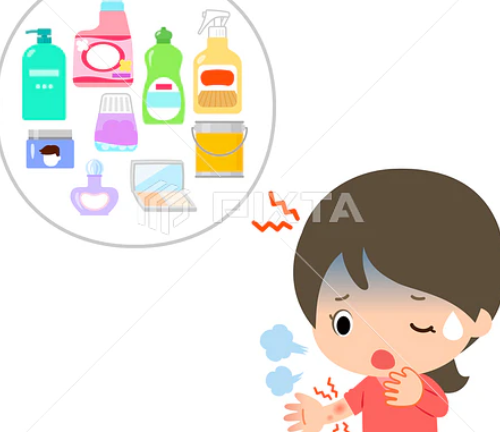
Chemical sensitivities, in the context of Mast Cell Activation Syndrome (MCAS), refer to an exaggerated or abnormal reaction to everyday chemicals, scents, or environmental exposures that most people tolerate without issue. In MCAS, mast cells are already hyper-responsive, so when the body encounters substances like fragrances, cleaning products, smoke, exhaust, paints, pesticides, or VOCs from building materials, these exposures can trigger mast cells to release histamine and other mediators. This can lead to symptoms such as headaches, dizziness, flushing, fatigue, cognitive fog, breathing difficulties, nausea, or sudden anxiety. Unlike classic “toxicity,” these reactions are not caused by the chemical itself being inherently dangerous—instead, the person’s mast cells interpret the chemical as a threat, causing an inflammatory cascade. Chemical sensitivities in MCAS often overlap with multiple chemical sensitivity (MCS), but in MCAS, they are understood primarily as a form of mast-cell overactivation rather than a separate condition.
What can you do if you have chemical sensitivities?
If you have chemical sensitivities alongside MCAS, the goal is to reduce exposure, stabilize mast cells, and strengthen your body’s tolerance over time. While everyone’s triggers and severity differ, here are the strategies most people with MCAS-related chemical sensitivities find helpful:
1. Reduce exposure to common irritants
Because mast cells react to even low-level triggers, lowering your baseline exposure can significantly reduce flares.
- Use fragrance-free laundry products and personal care items
- Switch to unscented, low-VOC cleaning supplies (vinegar, baking soda, ECOS, Seventh Generation Free & Clear, etc.)
- Avoid candles, air fresheners, and perfumes
- Choose low-VOC paints, glues, and furnishings
- Improve ventilation, open windows when possible
Even small reductions can calm mast cells.
2. Improve indoor air quality
Since many MCAS patients react in indoor environments:
- Run HEPA air purifiers in main living areas
- Consider an activated carbon filter for VOCs
- Use a dehumidifier if your home is damp (moisture increases VOC release and mold risk)
- Avoid burning anything indoors (incense, scented candles, fireplaces)
Clean air often decreases overall sensitivity.
3. Support mast cell stability
Work with your clinician, but everyday lifestyle approaches include:
- Consistent routines
- Stress reduction (stress is a chemical trigger)
- Gentle, consistent nutrition that avoids personal food triggers
- Avoiding high-histamine exposures during a flare. These help keep the baseline mast-cell load lower.
4. Strengthen the gut
A calmer gut = calmer mast cell system-wide. Check out this series of posts on gut dysbiosis.
Approaches often include:
- Identifying and reducing foods that worsen symptoms
- Adding mast-cell–friendly gut supports when tolerated (e.g., low-histamine probiotics, gentle fibers)
- Addressing dysbiosis, SIBO, or gut inflammation under practitioner guidance
The gut is the largest immune organ, so improvements here often reduce chemical reactivity.
5. Improve overall detox and processing capacity
Chemical sensitivities often worsen when the body is overloaded.
People often find benefit from:
- Hydration
- Gentle movement
- Adequate sleep
- Avoiding constipation (so histamine and metabolites clear properly). None of these “detox” chemicals; they help your body process exposures more efficiently.
6. Remove triggers slowly
If you’re highly sensitive, “perfect purity” is overwhelming and unsustainable.
Transitioning gradually—one product category at a time—usually works better for mast cells than abrupt change.
7. Reduce cumulative load
MCAS chemical sensitivities are often about total load, not a single exposure.
When you:
- reduce mold exposure
- improve indoor air
- lower fragrance/solvent levels —your threshold for tolerating unavoidable exposures (like walking past perfume in a store) often goes up.
8. Stabilize your response during unavoidable exposures
Many people with MCAS find it helpful to:
- Use a mask temporarily (especially in new environments)
- Step outside for fresh air
- Practice slow breathing to prevent sympathetic activation. These don’t cure sensitivity, but lower the severity of reactions.
9. Know that sensitivity can improve
With MCAS stabilization, improved gut health, and lower baseline exposure, many people find they become less reactive over time.
Low-VOC/home detox checklist
Here’s a low-VOC / home detox checklist designed specifically with MCAS and chemical sensitivities in mind. It focuses on practical, high-impact swaps that reduce fragrance, solvents, and off-gassing without overwhelming you.
(Especially helpful for MCAS + chemical sensitivities)
1. Air Quality
✔ Run a HEPA air purifier in main rooms
✔ Choose a model with activated carbon for VOC removal
✔ Open windows daily when the outdoor air is clean
✔ Avoid scented candles, incense, plug-ins, and wax warmers
✔ Stop using aerosol sprays (cleaners, air fresheners, dry shampoo)
✔ Vacuum with a HEPA-filter vacuum (Dyson, Miele, Shark)
✔ Use a dehumidifier if humidity > 50% (reduces VOC emissions + mold risk)
2. Cleaning Products
Switch to fragrance-free, low-VOC brands:
✔ Seventh Generation Free & Clear
✔ ECOS Free & Clear
✔ Branch Basics
✔ Attitude Sensitive
✔ Puracy Free & Clear
Avoid:
✘ Bleach fumes
✘ Scented detergents
✘ Fabric softeners
✘ Dryer sheets
✘ Ammonia-based cleaners
Bonus: Use vinegar, baking soda, or castile soap for many tasks.
3. Personal Care
✔ Choose fragrance-free shampoos, conditioners, lotions, and deodorants
✔ Avoid essential oils if you’re chemically sensitive (they’re natural VOCs)
✔ Simplify products—fewer chemicals = fewer triggers
✔ Replace nail polish/remover with low-odor or avoid altogether
✔ Switch to unscented or very mild laundry detergents
Avoid:
✘ Perfume/cologne
✘ Dryer sheets (major VOC source)
✘ Scented body products
4. Laundry
✔ Use Free & Clear detergent
✔ Skip all fabric softeners & dryer sheets
✔ Choose wool dryer balls if needed
✔ Air-dry clothing after purchase or unpack to allow off-gassing
5. Furniture & Household Items
✔ Prioritize solid wood furniture over particleboard
✔ If buying new furniture:
- let it off-gas outside or in a garage for days–weeks
- remove plastic wrapping immediately ✔ Choose low-VOC mattresses (latex or CertiPUR-certified foam) ✔ Wash new bedding before use ✔ Avoid highly fragranced candles or “fresheners” embedded in products
6. Home Improvement / Remodel
✔ Choose low-VOC or zero-VOC paints (Benjamin Moore Natura, ECOS, Clare)
✔ Opt for low-VOC caulks, adhesives, and sealants
✔ Ventilate heavily during and after painting or building
✔ Avoid new carpet if possible (carpet = major VOC + chemical reservoir)
✔ Prefer hardwood, tile, vinyl without phthalates, or low-VOC flooring
7. Kitchen & Food Prep
✔ Avoid Teflon/nonstick pans with chemical coatings
✔ Use stainless steel, cast iron, or ceramic cookware
✔ Choose unscented dishwasher detergent
✔ Don’t store food in plastic if heat is involved
✔ Use glass containers when possible
8. Reduce Hidden VOC Sources
✔ Don’t burn anything indoors (scented candles, incense, wood smoke)
✔ Replace HVAC filters regularly
✔ Keep shoes at the door (reduces indoor pollutants)
✔ Avoid dry-cleaned clothing unless aired out thoroughly
✔ Store chemicals (paints, solvents) outside living spaces
9. Bedroom Focus (most important for MCAS)
✔ Keep products minimal—your body detoxes during sleep
✔ Use organic or fragrance-free bedding
✔ Run an air purifier
✔ Avoid scented laundry products
✔ Keep electronics to a minimum (reduces heat + dust)
10. Go Slow & Steady
✔ Make one change at a time to avoid overwhelm
✔ Track symptoms to see which adjustments help
✔ Allow new items to off-gas before bringing them in
✔ Remember: reducing your total load matters more than perfection
What to Look for (or Avoid) When Choosing MCAS-Friendly Products
- Prefer: “Fragrance-free,” “unscented,” “Free & Clear,” “plant-based,” “hypoallergenic,” “Safer Choice / EcoCert / EWG-Verified,” minimal ingredients, no dyes or strong preservatives.
- Avoid: Strong fragrances, essential-oil blends (can be high-VOC and potent irritants), synthetic detergents with harsh surfactants or irritating preservatives (e.g., methylisothiazolinone, strong solvents), bleach, ammonia — especially in enclosed spaces or without ventilation.
Why does MCAS cause chemical sensitivities?
MCAS causes chemical sensitivities because mast cells become overly reactive and release inflammatory chemicals in response to triggers that most people tolerate. Mast cells are meant to protect the body from danger, but in MCAS, they misidentify harmless substances—like fragrances, cleaning solvents, VOCs, or even natural essential oils—as threats. When exposed, the mast cells release histamine, prostaglandins, leukotrienes, and other mediators that affect the skin, lungs, gut, brain, and cardiovascular system. Many chemicals and scents are naturally irritating or volatile, and even tiny amounts can penetrate the airways, activating mast cells that line the respiratory tract. Over time, this creates a “sensitized” state where the threshold for reaction becomes lower and lower. In other words, chemical sensitivity in MCAS isn’t an allergy—it’s a hypersensitive danger-detection system reacting too strongly to everyday environmental exposures.
Related blog posts
Food sensitivities are a related topic that may interest you.
This post covers symptom logging as a way to determine sensitivities.
This post explains gut dysbiosis.
The bucket theory
The bucket theory simplifies understanding symptom reactions with MCAS. Imagine your body as an empty bucket you don’t want to overflow. Reactions to various stimuli fill the histamine bucket at different rates, forming the total histamine level (how full your bucket is). More histamine means more symptoms. By managing triggers, reducing exposures, and taking medications and supplements, you can control your bucket’s level.
Know your typical symptom progression
Understanding your symptom progression during a flare is key to developing your rescue plan. This post discusses how to recognize symptom progression so you can be prepared to address them.
Get my free ebook, symptom log, and meal plan!
Want a tool to easily track your symptoms?
Check out these circadian health tools!
I’m an affiliate with Bon Charge, a company that makes tools for circadian health, and you can receive 15% off your order with my coupon code BETSYL.
Bon Charge offers tools such as yellow– and red-tone blue-blocking glasses, red light therapy devices, PEMF mats, infrared saunas, and EMF-blocking products.
Sign up for the SSP!
I’ve found the Safe and Sound Protocol (SSP) to be the most helpful bottom-up healing strategy if your nervous system has been overloaded with toxic exposures, including mold or non-native EMFs, chronic infections, concussions, stress, or trauma. The SSP is a passive listening therapy that helps heal nervous system dysregulation. Many people with MCAS and other chronic conditions have nervous system dysregulation stemming from infections, toxic exposures, concussions, and trauma. The SSP is an easy-to-use app that lets you listen to specially filtered music for 30 minutes each day as part of a 5-hour cycle. Studies show the SSP has a profound effect on mental health and chronic conditions. Here’s a short podcast describing the Safe and Sound Protocol.
You can sign up for the SSP here!
Heal your mind!
While the SSP is a bottom-up, somatic therapy for healing the nervous system, the Sacred Self-Healing Method I offer is a top-down nervous system-healing modality that focuses on cognition, attention, perception, and emotion, using the mind’s higher functions. The SSP and the Sacred Self-Healing Method complement each other and together produce lasting results. Here’s a short podcast on my self-healing practice.
I provide one-on-one in-person and remote chronic illness and caregiver coaching, as well as Sacred Self-Healing Sessions based on the Sacred Self-Healing Method, a proven, novel co-creative healing modality detailed in my Books.
Order my books!
Here’s a short podcast highlighting my five books.
My latest book, Living In The Light: Healing with Forgiveness, Sound, and Light, is all about the tools that have been most helpful for me to heal: forgiveness, sound, through nervous system retraining using the Safe and Sound Protocol, and light, through entraining my circadian rhythm with the energy of the sun. Living In The Light is available here!
Rocks and Roots chronicles my solo backpacking journey on the Superior Hiking Trail and my efforts to overcome nervous system dysregulation, gut dysbiosis, and Mast Cell Activation Syndrome symptoms to complete the 328-mile hike successfully.
The Sacred Self-Healing Method ebook is available here and in most ebook retailers!
The Sacred Self-Healing Workbook is available for purchase here!
Betsy’s first book, Sacred Self-Healing: Finding Peace Through Forgiveness, is available here
Companion Recordings
The companion audio recordings of chants, guided meditations, and sound healing demonstrations that accompany the Sacred Self-Healing Method are available for free on my YouTube channel here
What do you think?
I’d love to have your reply below!
Disclaimer
The preceding material does not constitute medical advice. This information is for information purposes only and is not intended to be a substitute for professional medical advice, diagnosis, cure, or treatment.