I offer the Safe and Sound Protocol (SSP) to my clients because it has been profoundly helpful in healing my own nervous system dysregulation. As a passive listening therapy, SSP rewires the brain to recognize safety, enabling deeper healing—especially for individuals with chronic illness, where nervous system dysregulation underlies their condition. It’s common for people practicing SSP to feel like progress isn’t happening. But real progress occurs quietly, integrating into your body while you sleep, and the time between listening sessions. This post outlines five ways to tell that the SSP is working
As an Amazon Associate, I earn from qualifying purchases.
Who is Betsy Leighton?
I’m a writer, blogger, and healer dedicated to helping individuals reconnect with their innate peace and wholeness by healing nervous system dysregulation. My personal experience with chronic illness called Mast Cell Activation Syndrome (MCAS) shapes my work, and my content offers tools to empower those with chronic illness to improve their well-being and take charge of their health.
I created the Sacred Self-Healing Method and am a trained and certified Safe and Sound Protocol provider, an author, blogger, and A Course in Miracles Teacher. I hold a Master of Divinity in Spiritual Counseling and am a trained spiritual mentor, with certificates in sound healing, aromatherapy, nutrition, and Sacred Deathcare. I offer a self-study certificate program in the Sacred Self-Healing Method, provide spiritual counseling and coaching, courses, and supported subscriptions for the Safe and Sound Protocol.
What is MCAS?
Mast Cell Activation Syndrome (MCAS) is a chronic condition that affects all organ systems. It can cause severe, disabling symptoms every day, including potentially fatal anaphylaxis.
The common triggers for MCAS are infections, toxic exposures including mold exposure and EMFs, trauma, concussions, and stress.
MCAS often occurs with other chronic conditions like Ehlers-Danlos Syndrome (EDS) and Postural Orthostatic Tachycardia Syndrome (POTS). Managing MCAS is challenging because many healthcare providers are unaware of it, and diagnostic tests can be unreliable. Treatments include antihistamines and mast cell stabilizers in the form of medications and supplements, along with avoiding triggers. Check out this post on managing MCAS.
Who does the SSP help?
The Safe and Sound Protocol (SSP) is an evidence-based listening therapy designed for both children and adults who struggle with nervous system regulation. It is meant to help individuals dealing with trauma, anxiety, autism spectrum disorder, ADHD, and sensory processing differences by retraining the body to feel safe and engaged
Five ways to tell that the SSP is working
The Safe and Sound Protocol (SSP) is a therapeutic listening intervention designed to help regulate the autonomic nervous system. It retrains the middle ear muscles using specially filtered music that mimics human voice frequencies. As a result, your brain relearns to recognize signals of safety, gently shifting individuals out of “fight-or-flight” or “freeze” states and into a regulated, socially engaged baseline.
Because the SSP works through a “bottom-up” approach—communicating with deep nervous system structures rather than conscious thought—recognizing its success often requires observing subtle shifts in physiology, behavior, and emotional processing. The five key ways to tell the Safe and Sound Protocol is effectively restoring nervous system regulation include:
- Increased Tolerance to Sensory Input: One of the most immediate signs of a settling nervous system is a reduction in auditory hypersensitivity and general sensory overwhelm. Background noises, bright lights, or busy environments become less draining, and individuals report a broader capacity to navigate daily sensory inputs without instantly triggering a stress response. I used to have a lot of difficulty going to a shopping mall, spending time in noisy environments, and tolerating clothing made from certain fabrics, including wool. As my nervous system healed with the SSP, my tolerance for these things increased. Now I can more easily spend time in environments with lots of noise, EMFs, and sensory stimulation. My wardrobe is now comprised of almost all Merino Wool garments, which I’ve sewn myself, because I can now tolerate the texture, and it actually is more comfortable due to its temperature-regulating properties.
- Enhanced Emotional Flexibility and Regulation: Nervous system dysregulation often leaves individuals stuck in high-intensity emotional states. As the SSP works, individuals begin to show greater emotional resilience. They are less reactive to minor triggers, and if they do feel anxious or frustrated, they can return to a state of calm much more quickly. I used to be stuck in a cycle of dysregulation due to my trauma loops that manifested as debilitating physical symptoms. I have MCAS, and for many years, I could not exercise, and my diet was confined to 12 trusted foods that I didn’t react to. With the SSP, my repertoire has increased: now I can exercise every day without having symptoms. I can eat many more foods without reacting or having digestive issues. Moreover, my emotional body is regulated, and I can roll with it when I experience temporary setbacks. One of the most meaningful shifts reported with the SSP is the return of emotional steadiness — the nervous system’s renewed ability to respond without becoming overwhelmed by internal or external stressors. Rather than defaulting into patterns of fight, flight, or shutdown, SSP clients show greater capacity for regulation in real time, with increased access to presence and connection. Whereas I used to become easily triggered by high-intensity emotional states and just shut down, now I react first with curiosity.
- Improved Social Engagement and Interoception: Feeling safe directly activates the social engagement system. Working with the SSP manifests as improved eye contact, more expressive and flexible facial muscles, and the ability to listen and communicate more comfortably with others. Speech processing and the ability to interpret the emotional meaning behind human language also frequently improve. And all of these improvements help social engagement with others. At the same time, for many clients with chronic illness, a history of concussions, and nervous system dysregulation, internal signals can often feel either overwhelming or even a bit muted. As the nervous system settles into a more restorative rhythm with the SSP, clients may notice that their “internal map” (or interoception) begins to clear. This shift allows the body’s subtle cues to become easier to read. For example, clients might start noticing gentle signals of hunger before they feel depleted, or a soft sense of fatigue well before reaching the point of burnout. It’s a process of learning to listen to the body again, rather than just reacting to it. Before doing the SSP, I struggled a lot with social anxiety. Now, I have a much greater capacity to be successful out in the world and communicate with others. At the same time, I read my internal signals more quickly and effectively, which supports boundary setting. Whereas I used to push through any type of challenge, now I can better read what a particular challenge poses to my body, and decide if it is worth expending my effort to deal with it.
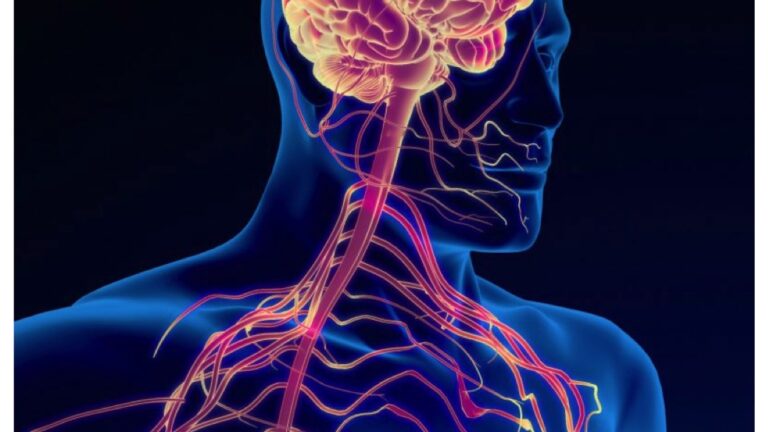
- Physiological Shifts in the Body: Nervous system regulation is a whole-body experience, and as the vagus nerve is stimulated, physiological markers of a “threat” state begin to melt away. SSP clients often notice a decrease in unexplained muscle tension (especially in the face, neck, and shoulders), improvements in breathing and heart rate patterns, and relief from chronic stomach or digestive issues. The digestive system is closely tied to the autonomic nervous system. When the body is organized around protection, whether in sympathetic activation, resources shift away from digestion and toward survival. Clients in these states often present with inconsistent appetite, digestive discomfort, or a general sense of internal tension. Before doing the SSP, I had severe gut dysbiosis, including leaky gut, SIBO, and sulfur cycle dysfunction, caused by concussions, stress, and long-term antibiotic use. With the SSP, my gut healed. I can now eat a wide variety of foods, and though I still sometimes have issues with high-sulfur foods, I can manage them in real time.
- Better Sleep Quality and Energy Levels: A dysregulated nervous system makes it difficult to fall asleep or causes exhaustion from being constantly on guard. As the SSP resets your system, you tend to experience deeper, more restorative sleep and a reduction in daytime hyperarousal fatigue. Sleep is often one of the first places where a dysregulated nervous system shows up — not just in the number of hours slept, but in the quality of rest. SSP clients report falling asleep more easily, waking less frequently, and feeling more restored in the morning. For years, I struggled with sleep issues, and I tried dozens of sleep aids and techniques to help the situation. With the SSP, I fall asleep quickly, stay asleep, and wake feeling rested.
The SSP works cumulatively, and these positive changes often continue to unfold for weeks and months as you do the listening program.
Therapeutic work lands more deeply
Perhaps the most meaningful shift from the SSP shows up in the other therapeutic work you are doing. When a client is no longer using most of their energy trying to survive, they arrive at sessions more receptive and present. With the SSP, your system moves out of a chronic “on” state. You demonstrate improved cardiovascular strength and a significantly higher tolerance for sensory environments. What changes isn’t just physical capacity, but your whole system’s ability to finally receive and integrate other therapies such as physiotherapy, occupational therapy, talk therapy, and other healing modalities.
When the nervous system is organized around protection or sustained activation, even effective clinical interventions may become limited in reach. When there’s greater internal steadiness, those same interventions can integrate more fully and with less resistance.
The SSP is not a replacement for clinical care; it supports the physiological conditions that allow care to land more effectively. It offers a quiet entry point into regulation, one that doesn’t require the work of technique or self-direction.
Instead of requiring effort, the SSP provides a gentle, structured experience for the nervous system to naturally find its own way back to balance. Think of it as effortless restoration — a space where the body is invited to settle and recover again. Over time, this helps establish a more stable internal baseline, where both therapeutic work and daily life can be met with greater capacity and less resistance.
If you’d like to know more about the SSP, reach out to me!
The bucket theory
The bucket theory simplifies understanding symptom reactions with MCAS. Imagine your body as an empty bucket you don’t want to overflow. Reactions to various stimuli fill the histamine bucket at different rates, forming the total histamine level (how full your bucket is). More histamine means more symptoms. By managing triggers, reducing exposures, and taking medications and supplements, you can control your bucket’s level.
Know your typical symptom progression
Understanding your symptom progression during a flare is key to developing your rescue plan. This post discusses how to recognize symptom progression so you can be prepared to address them.
Get my free ebook, symptom log, and meal plan!
Want a tool to easily track your symptoms?
Check out these circadian health tools!
I’m an affiliate with Bon Charge, a company that makes tools for circadian health, and you can receive 15% off your order with my coupon code BETSYL.
Bon Charge offers tools such as yellow– and red-tone blue-blocking glasses, red light therapy devices, PEMF mats, infrared saunas, and EMF-blocking products.
Sign up for the SSP!
I’ve found the Safe and Sound Protocol (SSP) to be the most helpful bottom-up healing strategy if your nervous system has been overloaded with toxic exposures, including mold or non-native EMFs, chronic infections, concussions, stress, or trauma. The SSP is a passive listening therapy that helps heal nervous system dysregulation. Many people with MCAS and other chronic conditions have nervous system dysregulation stemming from infections, toxic exposures, concussions, and trauma. The SSP is an easy-to-use app that lets you listen to specially filtered music for 30 minutes each day as part of a 5-hour cycle. Studies show the SSP has a profound effect on mental health and chronic conditions. Here’s a short podcast describing the Safe and Sound Protocol.
You can sign up for the SSP here!
Heal your mind!
While the SSP is a bottom-up, somatic therapy for healing the nervous system, the Sacred Self-Healing Method I offer is a top-down nervous system-healing modality that focuses on cognition, attention, perception, and emotion, using the mind’s higher functions. The SSP and the Sacred Self-Healing Method complement each other and together produce lasting results. Here’s a short podcast on my self-healing practice.
I provide one-on-one in-person and remote chronic illness and caregiver coaching, as well as Sacred Self-Healing Sessions based on the Sacred Self-Healing Method, a proven, novel co-creative healing modality detailed in my Books.
Order my books!
Here’s a short podcast highlighting my five books.
My latest book, Living In The Light: Healing with Forgiveness, Sound, and Light, is all about the tools that have been most helpful for me to heal: forgiveness, sound, through nervous system retraining using the Safe and Sound Protocol, and light, through entraining my circadian rhythm with the energy of the sun. Living In The Light is available here!
Rocks and Roots chronicles my solo backpacking journey on the Superior Hiking Trail and my efforts to overcome nervous system dysregulation, gut dysbiosis, and Mast Cell Activation Syndrome symptoms to complete the 328-mile hike successfully.
The Sacred Self-Healing Method ebook is available here and in most ebook retailers!
The Sacred Self-Healing Workbook is available for purchase here!
Betsy’s first book, Sacred Self-Healing: Finding Peace Through Forgiveness, is available here
Companion Recordings
The companion audio recordings of chants, guided meditations, and sound healing demonstrations that accompany the Sacred Self-Healing Method are available for free on my YouTube channel here
What do you think?
I’d love to have your reply below!
Disclaimer
The preceding material does not constitute medical advice. This information is for information purposes only and is not intended to be a substitute for professional medical advice, diagnosis, cure, or treatment.