
This post explains the link between sulfur dysregulation and MCAS in people with sulfur issues.
As an Amazon Associate, I earn from qualifying purchases.
Table of Contents
Some people have issues regulating sulfur
I have tried many different diets in search of relief from my MCAS symptoms. I’d always felt better on an egg-free diet. But without a concrete reason to abstain from eggs, they always slipped back into my diet.
Since reading an article by Naturopathic doctor Greg Nigh, I may have figured out part of the puzzle exacerbating my MCAS symptoms.
Sulfur is the most abundant mineral in the human body, and it’s an integral part of the production of sulfate (one sulfur molecule joined to four oxygen molecules SO2−4.) You need sulfate for many body functions, from detoxification and collagen production to ensuring your cells are properly hydrated.
However, some people experience sulfur dysregulation due to genetic factors, nutritional deficiencies, or toxins.
Who is Betsy Leighton?
I’m a writer, blogger, and healer dedicated to helping individuals reconnect with their innate peace and wholeness by healing nervous system dysregulation. My personal experience with chronic illness called Mast Cell Activation Syndrome (MCAS) shapes my work, and my content offers tools to empower those with chronic illness to improve their well-being and take charge of their health.
I created the Sacred Self-Healing Method and am a trained and certified Safe and Sound Protocol provider, an author, blogger, and A Course in Miracles Teacher. I hold a Master of Divinity in Spiritual Counseling and am a trained spiritual mentor, with certificates in sound healing, aromatherapy, nutrition, and Sacred Deathcare. I offer a self-study certificate program in the Sacred Self-Healing Method, provide spiritual counseling and coaching, courses, and supported subscriptions for the Safe and Sound Protocol.
What is MCAS?
Mast Cell Activation Syndrome (MCAS) is a chronic condition that affects all organ systems. It can cause severe, disabling symptoms every day, including potentially fatal anaphylaxis.
The common triggers for MCAS are infections, toxic exposures including mold exposure and EMFs, trauma, concussions, and stress.
MCAS often occurs with other chronic conditions like Ehlers-Danlos Syndrome (EDS) and Postural Orthostatic Tachycardia Syndrome (POTS). Managing MCAS is challenging because many healthcare providers are unaware of it, and diagnostic tests can be unreliable. Treatments include antihistamines and mast cell stabilizers in the form of medications and supplements, along with avoiding triggers. Check out this post on managing MCAS.
The bucket theory
The bucket theory simplifies understanding symptom reactions with MCAS. Imagine your body as an empty bucket you don’t want to overflow. Reactions to various stimuli fill the histamine bucket at different rates, forming the total histamine level (how full your bucket is). More histamine means more symptoms. By managing triggers, reducing exposures, and taking medications and supplements, you can control your bucket’s level.
Know your typical symptom progression
Understanding your symptom progression during a flare is key to developing your rescue plan. This post discusses how to recognize symptom progression so you can be prepared to address them.
Get my free ebook, symptom log, and meal plan!
Want a tool to easily track your symptoms?
The link between sulfur dysregulation and histamine
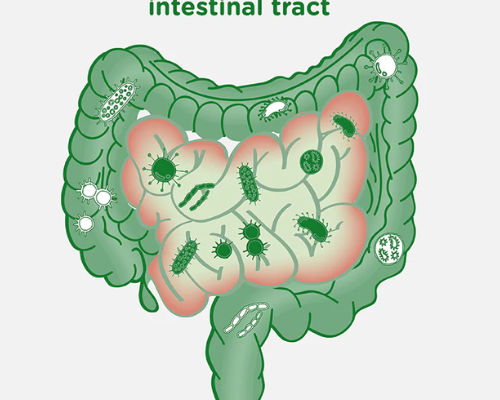
Because histamine and gut health are so closely linked, histamine-producing bacteria are an essential factor in MCAS.
Sulfur metabolism impairment can be a significant contributor to histamine intolerance, and there is a unique connection between sulfur dysfunction and histamine intolerance.
“Histamine and sulfur sensitivity appear to be closely linked, but in some cases, excess sulfur and sulfur metabolism impairment may lead to histamine sensitivity.” – source
Because the symptoms of sulfur and histamine intolerance are easily confused, an inability to properly process sulfur is linked to a downstream inability to regulate histamine efficiently.
Here are the common symptoms of both sulfur and histamine intolerance:
- Headaches/Migraines
- Flushing/Hives
- Joint pain/Body pain
- Itchiness
- Palpitations/Sudden blood pressure changes
- Inflammation
- GI pain/Constipation/Diarrhea
- Shortness of breath
- Fatigue/Cognitive impairment
Your body typically uses sulfur in the form of sulfate. When the conversion of sulfur to sulfate is too slow or is compromised, sulfate concentrations in the body are depleted, while concentrations of sulfur and sulfite may be too high. – source
The role of sulfur in histamine levels
Mast cells have hydrogen sulfide receptors that help stabilize mast cells.
Normal levels of hydrogen sulfide help regulate gut inflammation and motility, oxidative stress, ulcer healing, cell regeneration, vascular tone, and hormone secretion. Certain gut bacteria are involved in both sulfur processing and histamine production.
When these bacteria become imbalanced, levels of sulfur and histamine can easily get out of control.
Sulfur and SIBO
Dr. Greg Nigh discusses the connection between sulfur and SIBO. He says that Hydrogen Sulfide SIBO is so hard to get rid of because the body is trying to produce sulfur compounds to aid detox.
In cases of candida overgrowth and SIBO, sulfate-reducing bacteria in the gut produce excess hydrogen sulfide gas when they ferment carbohydrates, further disrupting microbiome health, inducing an immune response, and increasing intestinal permeability and gut inflammation (Figliuolo et al., 2017).
People with candida overgrowth or SIBO often have an intolerance to sulfur-based medicines and foods, with symptoms that mirror those of histamine intolerance.
Intolerance to key sulfur-rich foods and supplements
Common foods and supplements that can often exacerbate sulfur intolerance are garlic, alpha-lipoic acid (ALA), and MSM. These are healthful for most people, but for those whose sulfur pathways are already overwhelmed, they can cause worsened symptoms.
One red flag for sulfur sensitivity is intolerance to glutathione, a sulfur-based antioxidant. When the body cannot properly break down glutathione, a side effect is increased hydrogen sulfide production, especially in cases of SIBO. Hydrogen sulfide disrupts the mucus barrier and reduces molybdenum levels, a crucial regulator of histamine.
Another common intolerance for those with sulfur issues is NAC (N-Acetyl-L-Cysteine). NAC is a key precursor to glutathione, but those with sulfur dysregulation often find they cannot tolerate it.
For years, I never knew why I could not tolerate NAC, MSM, glutathione, chondroitin sulfate, and Betaine HCl. I read about these helpful supplements and wanted to learn more about their benefits. But time after time, I would react to them.
Why does this happen?
I read Dr. Greg Nigh’s article, “The Devil in the Garlic: The Paradoxical Roles of Sulfur in Human Physiology,” in Wise Traditions (Summer 2022). Nigh discusses how some people run low on sulfur — not because they aren’t eating enough sulfur-rich foods, but because their bodies can’t process it properly.
Genetic factors
One reason for this can be genetic. If you have a gene glitch with the SUOX gene, you may experience symptoms of sulfur dysregulation.
The SUOX gene provides instructions for making sulfite oxidase, an enzyme that helps break down protein-building blocks (amino acids) containing sulfur when they are no longer needed.
In addition, Nigh says, “The sulfation pathway is closely linked to the methylation cycle within cells. Several genes and their polymorphisms can affect the flow of the methylation cycle and, consequently, sulfation as a downstream effect. These include MTHRF, BHMT, and others.”
Supplements for sulfur dysregulation
A second reason for sulfur dysregulation is molybdenum deficiency. Nigh recommends people in this situation take Biotics Mo-Zyme, a form of molybdenum.
Another helpful supplement for people with sulfur issues is Butyrate. I recommend Healthy Gut Tributyrin-X for this need.
While hydroxycobalamin, a form of vitamin B-12 that oxidizes hydrogen sulfide, can be helpful, it is another supplement I can’t tolerate.
Speak with your functional provider to see whether these supplements might be helpful for your situation.
Toxins
A third way that you may not be getting the benefit of sulfur from your food is that certain environmental toxins may be interfering with sulfur metabolism.
Nigh says, “Glyphosate is a major toxicant that interferes with sulfur metabolism” by suppressing certain critical enzyme functions and depleting vitamins.
What helps with sulfur issues?
In addition to the supplements mentioned above, many people benefit from a short-term (5-14 days) low-sulfur diet. Your body needs sulfur to thrive, but it can be overwhelmed by sulfur and not be able to process it fast enough.
Sulfur overload can manifest as SIBO, inflammation, pain (like gout), headaches, hot flashes, and excess mucus. If that’s the case, temporarily avoiding sulfur-rich foods can help reset your metabolism and bring your sulfur levels back into balance.
A low-sulfur diet means eliminating eggs, garlic, onions, cruciferous vegetables, and supplements high in sulfur (NAC, MSM, glutathione, ALA, etc.), which tend to exacerbate sulfur issues.
At the same time, Nigh recommends Epsom salt baths to deliver sulfates through the skin, reducing the need for the GI tract to produce sulfur compounds it needs right away. Epsom salt baths raise blood sulfate levels and also support detoxification in general.
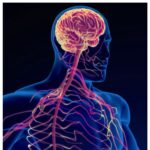
Finally, Nigh recommends nervous system-regulating therapies, as I’ve discussed in this post and this post.
If you’d like to learn more about Nigh’s recommendations, I recommend his book!
To Recap
To summarize the issue of sulfur cycle dysregulation:
- When you run short of sulfate in your body, it causes serious problems, and most of the sulfur from the foods we eat is not in the form of sulfate; we need to metabolize it.
- You can overwhelm your sulfur pathways by eating too many high-sulfur foods.
- The body works around this by extracting sulfur from the mucus lining of the GI tract, by overgrowing sulfur-fixing bacteria in the gut (causing SIBO symptoms), and by creating localized inflammation that helps generate sulfate.
- The localized inflammation causes gout attacks in areas of the body like joints that are more prone to inflammation anyway, which for me is my feet, knees, elbows, and shoulders, and where there is excess inflammation, my mast cells are quick to mobilize and cause more inflammation.
- A short-term low-sulfur diet lowers excess sulfur, bringing your sulfur pathways back into balance and allowing your body to stop pulling sulfate from the GI tract or making it at sites of inflammation, so the gout is self-limiting and the pain stops.
This helped me!
I tried the low-sulfur diet last spring and noticed improvement after about a week. My migraines and hot flashes disappeared. I no longer had severe EMF sensitivity. My SIBO symptoms vanished. Joint pain and gout abated. And I was able to start exercising regularly after decades of painful joints.
Over the summer, I inadvertently reintroduced higher-sulfur foods into my diet and started retaking NAC. I briefly experimented with chondroitin sulfate to help with parasites, but I immediately experienced gout in almost all of my joints.
This fall, I noticed that I’d started experiencing hot flashes and bloating again, and my gout returned. I did another week on the low-sulfur diet and felt so much better again.
For people like me who have trouble regulating sulfur, Nigh recommends following a short-term low-sulfur diet every quarter to keep your sulfur levels in check. And this is advice I’m incorporating into my MCAS maintenance plan.
Before I did the low-sulfur protocol:
– I could only tolerate a handful of foods;
– I experienced severely disordered sleep;
– I was unable to exercise regularly due to pain and tachycardia;
– I experienced debilitating neuropathy, which triggered hot flashes and contributed to more disordered sleep;
– I had chronic pain and inflammation
– I had just undergone a 2-month antibiotic treatment for SIBO, but hadn’t seen much benefit to doing it
– I couldn’t sleep on my side due to constant neck pain
After the low-sulfur protocol:
– Within a week, I was tolerating many more foods, sleeping much better, and was no longer experiencing gas and bloating
– My hot flashes diminished considerably. I began sleeping on my side, which made me sleep more comfortably.
– After two week,s I gradually began adding sulfur-containing foods back into my diet.
– I have been able to slowly increase my exercise regimen, adding biking, and then running after being unable to bike or run for about 10 years prior.
– I’ve been able to resume eating many higher histamine foods without issues gradually.
The sulfur-rich foods and supplements that I react to most
I’ve created the table below showing the sulfur-rich foods and supplements that seem to affect me the most, the symptoms I experience from them, and the likely reason for my adverse reactions*.
| Food/Supplement | Symptoms | Likely Cause |
| N-Acetyl L-Cysteine | Worsened sulfur issues | Contains Sulfur |
| Magnesium Ascorbate (Vitamin C), Ascorbic Acid, Sodium Ascorbate | Worsened sulfur issues | Aggravates sulfur cycle issues; makes it difficult to break down neurotransmitters? |
| Alpha Lipoic Acid (ALA) | Worsened MCAS symptoms | Contains Sulfur |
| Chondroitin Sulfate | Intolerable gout pain | Contains Sulfur |
| Glycine | Intolerable insomnia | Free-form amino acid; Contains Sulfur |
| SAM-E | Intolerable insomnia | Contains Sulfur |
| Coffee | Intolerable insomnia | Contains Sulfur |
| Pantoghenic acid (B5) | Worsened MCAS symptoms | Contains Sulfur |
| Collagen powder, Whey powder | Increased inflammation | High in sulfur |
| Immune PRP Pro (Bovine IgG, IgA, IgM) | Worsened pain and MCAS symptoms | Not helpful |
| Legumes | Worsened MCAS symptoms | High in sulfur |
| Eggs | Worsened pain and inflammation | High in sulfur |
| Betaine HCl | Worsened MCAS symptoms | High in sulfur |
| Selenium | Worsened MCAS symptoms | Seems to mimic sulfur-rich compounds known as “sulfur but more so” |
| Klaire Labs Advanced Inflammation Support (Stephania Extract, Stinging Nettle Extract, Holy Basil Extract, Ginger Extract, Boswellia Extract, Green Tea, Perilla Extract | Worsened MCAS symptoms | Boswellia and Perilla are high in sulfur compounds |
| Methionine, tryptophan, and cysteine | Worsened symptoms | Sulfur-containing amino acids |
| It is a very reactive form of sulfur | Gallbladder pain | Meat highest in sulfur containing amino acids |
| Garlic | Worsened MCAS symptoms | Very reactive form of sulfur |
| Cauliflower | Gas, bloating | Sulfur-rich |
| Lentils | Gas, bloating, inflammation | Incompatible with B-positive blood type, which I have |
| Chia seeds | Inflammation | Contain sulfur |
| Rice | Inflammation | Supposedly low in sulfur, but I can’t tolerate it |
Check out these circadian health tools!
I’m an affiliate with Bon Charge, a company that makes tools for circadian health, and you can receive 15% off your order with my coupon code BETSYL.
Bon Charge offers tools such as yellow– and red-tone blue-blocking glasses, red light therapy devices, PEMF mats, infrared saunas, and EMF-blocking products.
Sign up for the SSP!
I’ve found the Safe and Sound Protocol (SSP) to be the most helpful bottom-up healing strategy if your nervous system has been overloaded with toxic exposures, including mold or non-native EMFs, chronic infections, concussions, stress, or trauma. The SSP is a passive listening therapy that helps heal nervous system dysregulation. Many people with MCAS and other chronic conditions have nervous system dysregulation stemming from infections, toxic exposures, concussions, and trauma. The SSP is an easy-to-use app that lets you listen to specially filtered music for 30 minutes each day as part of a 5-hour cycle. Studies show the SSP has a profound effect on mental health and chronic conditions. Here’s a short podcast describing the Safe and Sound Protocol.
You can sign up for the SSP here!
Heal your mind!
While the SSP is a bottom-up, somatic therapy for healing the nervous system, the Sacred Self-Healing Method I offer is a top-down nervous system-healing modality that focuses on cognition, attention, perception, and emotion, using the mind’s higher functions. The SSP and the Sacred Self-Healing Method complement each other and together produce lasting results. Here’s a short podcast on my self-healing practice.
I provide one-on-one in-person and remote chronic illness and caregiver coaching, as well as Sacred Self-Healing Sessions based on the Sacred Self-Healing Method, a proven, novel co-creative healing modality detailed in my Books.
Order my books!
Here’s a short podcast highlighting my five books.
My latest book, Living In The Light: Healing with Forgiveness, Sound, and Light, is all about the tools that have been most helpful for me to heal: forgiveness, sound, through nervous system retraining using the Safe and Sound Protocol, and light, through entraining my circadian rhythm with the energy of the sun. Living In The Light is available here!
Rocks and Roots chronicles my solo backpacking journey on the Superior Hiking Trail and my efforts to overcome nervous system dysregulation, gut dysbiosis, and Mast Cell Activation Syndrome symptoms to complete the 328-mile hike successfully.
The Sacred Self-Healing Method ebook is available here and in most ebook retailers!
The Sacred Self-Healing Workbook is available for purchase here!
Betsy’s first book, Sacred Self-Healing: Finding Peace Through Forgiveness, is available here
Companion Recordings
The companion audio recordings of chants, guided meditations, and sound healing demonstrations that accompany the Sacred Self-Healing Method are available for free on my YouTube channel here
What do you think?
I’d love to have your reply below!
Disclaimer
The preceding material does not constitute medical advice. This information is for information purposes only and is not intended to be a substitute for professional medical advice, diagnosis, cure, or treatment.