This post addresses the importance of vagus nerve health for MCAS.
As an Amazon Associate, I earn from qualifying purchases.
Table of Contents
Who is Betsy Leighton?
I’m a writer, blogger, and healer dedicated to helping individuals reconnect with their innate peace and wholeness by healing nervous system dysregulation. My personal experience with chronic illness called Mast Cell Activation Syndrome (MCAS) shapes my work, and my content offers tools to empower those with chronic illness to improve their well-being and take charge of their health.
I created the Sacred Self-Healing Method and am a trained and certified Safe and Sound Protocol provider, an author, blogger, and A Course in Miracles Teacher. I hold a Master of Divinity in Spiritual Counseling and am a trained spiritual mentor, with certificates in sound healing, aromatherapy, nutrition, and Sacred Deathcare. I offer a self-study certificate program in the Sacred Self-Healing Method, provide spiritual counseling and coaching, courses, and supported subscriptions for the Safe and Sound Protocol.
What is MCAS?
Mast Cell Activation Syndrome (MCAS) is a chronic condition that affects all organ systems. It can cause severe, disabling symptoms every day, including potentially fatal anaphylaxis.
The common triggers for MCAS are infections, toxic exposures including mold exposure and EMFs, trauma, concussions, and stress.
MCAS often occurs with other chronic conditions like Ehlers-Danlos Syndrome (EDS) and Postural Orthostatic Tachycardia Syndrome (POTS). Managing MCAS is challenging because many healthcare providers are unaware of it, and diagnostic tests can be unreliable. Treatments include antihistamines and mast cell stabilizers in the form of medications and supplements, along with avoiding triggers. Check out this post on managing MCAS.
What is vagus nerve health?
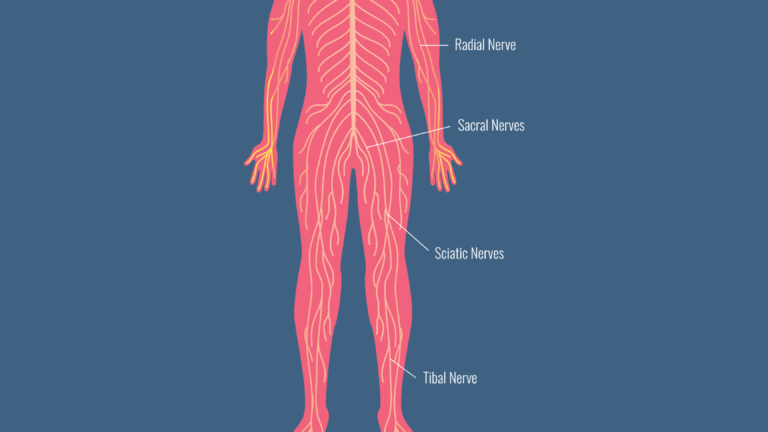
The vagus nerve is the longest nerve in the human body, running from the cranium, around the digestive system and lungs. It passes through the neck via the vocal cords and around the major organs: the liver, spleen, pancreas, heart, and lungs.
The vagus nerve is an integral part of the parasympathetic nervous system, which is key to our capacity to rest, digest, calm, and soothe. Having a healthy vagus nerve enables you to adapt to stressful situations, helps regulate cortisol and blood sugar levels, and it is associated with feeling more relaxed. A healthy vagus nerve indicates a higher vagal tone, whereas a low vagal tone is associated with many maladies, including heart disease, diabetes, mood disorders, inflammatory conditions, and autoimmune dysfunction.
The bucket theory
The bucket theory simplifies understanding symptom reactions with MCAS. Imagine your body as an empty bucket you don’t want to overflow. Reactions to various stimuli fill the histamine bucket at different rates, forming the total histamine level (how full your bucket is). More histamine means more symptoms. By managing triggers, reducing exposures, and taking medications and supplements, you can control your bucket’s level.
Know your typical symptom progression
Understanding your symptom progression during a flare is key to developing your rescue plan. This post discusses how to recognize symptom progression so you can be prepared to address them.
Get my free ebook, symptom log, and meal plan!
Want a tool to easily track your symptoms?
Vagus nerve health for MCAS
One of the biggest things I took away from the recent The Many Manifestations of Mast Cell Activation Summit with Dr. Kelly McCann is the importance of vagus nerve health in supporting MCAS. Dr. McCann interviewed dozens of practitioners in the field, and so many of them mentioned how the vagus nerve is central to addressing MCAS.
Eighty percent of the vagus nerve is sensory, meaning it is sensing what is going on in your body, and it sends information back to the brain about what it finds. And twenty percent of its function is as a motor nerve.
Vagus nerve injury
Vagus nerve injury can occur from actual injury to the nerve (such as with a concussion or other physical injury), from contracting an infection (such as Epstein-Barr), or from exposure to mold or other toxic environmental agents. The vagus nerve is surrounded by mast cells and is constantly in communication with them via its receptors, collecting information about the body’s safety.
If the vagus nerve sustains an injury, it signals to the brain that the body is not safe. And as long as it senses the effects of injury, infection, inflammation, or exposure, it will continue to send signals to the brain that the body is not safe. If the injury to the vagus nerve goes untreated, it will continue to send a signal that the body is in danger. The mast cells respond to the threat by activating wherever it is perceived — whether in the gut, tissues, or elsewhere — further signaling the vagus nerve that the body is not safe. And on and on.
Vagus nerve feedback loop
So you can see how a feedback loop occurs via the vagus nerve. When it senses an attack on the body, it signals the brain that a problem exists. At the same time, mast cells compound the problem by overreacting and releasing mediators that further inflame the body, further notifying the vagus nerve that the body is not safe.
The vagus nerve has branches to all major organ systems, and it is meant to balance the nervous system. When you have this chronic perceived threat to the body at the neurological level, it can contribute to dysautonomia, postural orthostatic tachycardia syndrome (POTS), slowed intestinal motility, heart palpitations, blood pressure and temperature dysregulation, neuropathy, paresthesias, and many other conditions.
So, in what ways can you address injury to your vagus nerve?
Vagal tone
There are many easy ways to increase vagal tone, including:
- Mindful breathing techniques. Just five minutes a day stimulates the vagus nerve.
- Alternate nostril breathing.
- Chanting, humming, singing, laughing, and talking.
- Gargling.
- Loving-kindness meditation.
- Washing your face with cold water.
However, for someone with extreme MCAS, these measures may not be enough to heal the vagus nerve.
Vagus nerve healing
My favorite tool for vagus nerve healing is the Safe and Sound Protocol (SSP).
The SSP is a listening therapy that helps to unlock your ability to think, feel, and connect better through nervous system regulation. You use the SSP via an app on your phone and listen with over-the-ear headphones to specially filtered music that heals the nervous system, specifically the vagus nerve. You subscribe to the app with a provider like me and listen to the specially curated music for 30 minutes each day for a 20-day cycle. Studies show the SSP has a profound effect on mental health and chronic conditions:
- 61% of clients using the SSP had reduced anxiety
- 54% of clients using the SSP had reduced depression
- 63% of clients using the SSP had fewer trauma symptoms
- 47% of clients using the SSP had fewer psychosocial challenges
Who benefits from the SSP?
The SSP is helpful for anyone with a history of trauma, supports many client populations, and may help reduce symptoms and support overall health and resiliency for people seeking support for:
- Chronic illnesses like MCAS
- Challenges related to autonomic dysfunction, such as eating difficulties, gut health, and more
- Depression and anxiety
- Neurodevelopmental differences, such as autism, hyperactivity, and attention
- Learning difficulties
- Auditory and other sensory processing differences
- Trauma history
- Sleep
- Neurological changes
If you’d like to learn more about the SSP, please reach out to me!
Re-training exercises for vagus nerve health
In addition to the myriad health benefits of having good vagus nerve tone, the vagus nerve has been implicated in releasing trauma stored in the body.
Suki Baxter, who has studied with Rosenberg, offers some quick vagus nerve retraining exercises to turn off the fight-or-flight response in the sympathetic nervous system and release trauma stored in the body. Here is a link to her YouTube channel.
The key to doing vagal re-training exercises is to stop as soon as your body involuntarily sighs, yawns, or takes a deep breath because those are the signals that your vagus nerve has “reset.” Doing more or continuing past that point can be stressful for the vagus nerve and counterproductive.
Check out these circadian health tools!
I’m an affiliate with Bon Charge, a company that makes tools for circadian health, and you can receive 15% off your order with my coupon code BETSYL.
Bon Charge offers tools such as yellow– and red-tone blue-blocking glasses, red light therapy devices, PEMF mats, infrared saunas, and EMF-blocking products.
Sign up for the SSP!
I’ve found the Safe and Sound Protocol (SSP) to be the most helpful bottom-up healing strategy if your nervous system has been overloaded with toxic exposures, including mold or non-native EMFs, chronic infections, concussions, stress, or trauma. The SSP is a passive listening therapy that helps heal nervous system dysregulation. Many people with MCAS and other chronic conditions have nervous system dysregulation stemming from infections, toxic exposures, concussions, and trauma. The SSP is an easy-to-use app that lets you listen to specially filtered music for 30 minutes each day as part of a 5-hour cycle. Studies show the SSP has a profound effect on mental health and chronic conditions. Here’s a short podcast describing the Safe and Sound Protocol.
You can sign up for the SSP here!
Heal your mind!
While the SSP is a bottom-up, somatic therapy for healing the nervous system, the Sacred Self-Healing Method I offer is a top-down nervous system-healing modality that focuses on cognition, attention, perception, and emotion, using the mind’s higher functions. The SSP and the Sacred Self-Healing Method complement each other and together produce lasting results. Here’s a short podcast on my self-healing practice.
I provide one-on-one in-person and remote chronic illness and caregiver coaching, as well as Sacred Self-Healing Sessions based on the Sacred Self-Healing Method, a proven, novel co-creative healing modality detailed in my Books.
Order my books!
Here’s a short podcast highlighting my five books.
My latest book, Living In The Light: Healing with Forgiveness, Sound, and Light, is all about the tools that have been most helpful for me to heal: forgiveness, sound, through nervous system retraining using the Safe and Sound Protocol, and light, through entraining my circadian rhythm with the energy of the sun. Living In The Light is available here!
Rocks and Roots chronicles my solo backpacking journey on the Superior Hiking Trail and my efforts to overcome nervous system dysregulation, gut dysbiosis, and Mast Cell Activation Syndrome symptoms to complete the 328-mile hike successfully.
The Sacred Self-Healing Method ebook is available here and in most ebook retailers!
The Sacred Self-Healing Workbook is available for purchase here!
Betsy’s first book, Sacred Self-Healing: Finding Peace Through Forgiveness, is available here
Companion Recordings
The companion audio recordings of chants, guided meditations, and sound healing demonstrations that accompany the Sacred Self-Healing Method are available for free on my YouTube channel here
What do you think?
I’d love to have your reply below!
Disclaimer
The preceding material does not constitute medical advice. This information is for information purposes only and is not intended to be a substitute for professional medical advice, diagnosis, cure, or treatment.