
This post starts at the beginning of my MCAS journey and provides the context for this blog – where it started, what has helped me along the way, what has failed miserably, and where I am now. Come along on my MCAS journey!
Table of Contents
Timeline of my MCAS Journey
Here is my first blog post at MyInertLife!
Normal birth
Normal childhood illnesses
Age 12-20, I was a competitive runner and Nordic skier
Age 20, Lyme Disease onset; stopped running and skiing due to severe joint pain
Age 33-38, I had a major Lyme disease flare
Age 39, I began herbal Lyme treatment
Age 42, we had a water incursion in the home; my daughter became disabled
Age 43, I experienced severe migraines
Age 47, I became a full-time caregiver for three family members
Age 49, we started mold remediation in our old home
Age 50, moved to a new mold-free home, and got rid of 75% of our belongings
Age 51, I experienced a severe MCAS flare
Age 54, I did gut healing
Age 55, I started doing nervous system retraining
Age 56, I did a circadian reset and reached 90% recovery from MCAS
Who is Betsy Leighton?
I’m a writer, blogger, and healer dedicated to helping individuals reconnect with their innate peace and wholeness by healing nervous system dysregulation. My personal experience with chronic illness called Mast Cell Activation Syndrome (MCAS) shapes my work, and my content offers tools to empower those with chronic illness to improve their well-being and take charge of their health.
I created the Sacred Self-Healing Method and am a trained and certified Safe and Sound Protocol provider, an author, blogger, and A Course in Miracles Teacher. I hold a Master of Divinity in Spiritual Counseling and am a trained spiritual mentor, with certificates in sound healing, aromatherapy, nutrition, and Sacred Deathcare. I offer a self-study certificate program in the Sacred Self-Healing Method, provide spiritual counseling and coaching, courses, and supported subscriptions for the Safe and Sound Protocol.
What is MCAS?
Mast Cell Activation Syndrome (MCAS) is a chronic condition that affects all organ systems. It can cause severe, disabling symptoms every day, including potentially fatal anaphylaxis.
The common triggers for MCAS are infections, toxic exposures including mold exposure and EMFs, trauma, concussions, and stress.
MCAS often occurs with other chronic conditions like Ehlers-Danlos Syndrome (EDS) and Postural Orthostatic Tachycardia Syndrome (POTS). Managing MCAS is challenging because many healthcare providers are unaware of it, and diagnostic tests can be unreliable. Treatments include antihistamines and mast cell stabilizers in the form of medications and supplements, along with avoiding triggers. Check out this post on managing MCAS.
Why I got MCAS
MCAS is considered progressive, and the alarming onset and cascade of symptoms I experienced at times caused panic about how to live a satisfying life. At one point, I could only tolerate 12 foods safely.
I’d probably had MCAS for my whole life, but it only flared up when I was under extreme stress. Unfortunately, the combination of several serious concussions, chronic infection, toxic mold exposure, and overwhelming caregiving stress created the conditions for my mast cell disorder to get out of hand in 2020.
The trigger for my mast cell flares could be something as seemingly innocuous as a scent, an emotional thought, an intense feeling, a food that didn’t agree with me, or spending time in a moldy room for a few minutes. Sometimes there was no discernible trigger when several smaller events combined to form a larger one.
What are the triggers for MCAS?
The common triggers for MCAS are infections, toxic exposures including mold exposure and EMFs, trauma, concussions, and stress. Click the linked blogs for more information on each topic.
Infections – Infections become a root cause of MCAS because they damage the nervous system, specifically the vagus nerve. Mast cells line the entire nervous system, and they have over 200 types of receptors that are sensitive to all sorts of stimuli. An infectious trigger will alert the nervous system that the body is under attack. This, in turn, triggers a mast cell cascade to bring resources to the site of the perceived attack, including increased inflammation. MCAS is a protective function at the cellular level that helps the body heal when it is under attack. But the problem with chronic infections is that they perpetually notify the nervous system via biochemical mediators that the body is constantly under attack. So, even after a course of antibiotics or an herbal protocol to address the infection, unless you address the injury to the nervous system, the limbic and nervous systems will continue to think the body is under attack.
Toxins – Toxic exposure can cause vagus nerve damage, which signals to the brain that the body is not safe. When a continuous message signals that the body is unsafe, mast cells overreact and congregate at the perceived site of toxic injury, exacerbating inflammation and perpetuating the cycle of overreactivity.
Stress – Stress significantly contributes to mast cell activation syndrome by dysregulating the immune and nervous systems, thereby leading to mast cell overactivation. Mast cells are immune cells that release histamine and other inflammatory mediators in response to perceived threats.
Trauma – Trauma contributes to mast cell activation syndrome by disrupting the nervous system and immune response, creating an environment where mast cells become hyperactive and overreact to triggers. Trauma induces chronic stress, which alters mast cell sensitivity. Stress-related hormones, such as corticotropin-releasing hormone (CRH), directly stimulate mast cells, increasing the release of histamine, cytokines, and other inflammatory mediators. Over time, mast cells become more reactive, amplifying symptoms such as flushing, pain, and gastrointestinal issues.
Concussions – Concussions can trigger mast cell activation syndrome by causing inflammation, nervous system dysregulation, and immune system activation. A concussion induces neuroinflammation, releasing cytokines and other inflammatory mediators in the brain. Mast cells, present in the brain and throughout the body, are activated by this inflammation, releasing histamine, prostaglandins, and other substances that further amplify the inflammatory response.
Highlights of my MCAS journey
When I look back at the highlights of my life, what is between the lines is chronic pain, anxiety, depression, desperation, frustration, and mere survival. It wasn’t a clear path, and many roadblocks stood in the way of understanding what was going on with my family’s health.
When I first contracted Lyme disease in my early twenties, it was considered a “rare” disease that only people who worked in the woods of the northeast could contract. Even though I spent a lot of time training as a competitive runner and skier in those very woods, my doctors didn’t suspect I had Lyme disease. It wasn’t until decades later that a functional practitioner put the pieces together for me, and it all made sense.
Lyme disease and mold
I started treating my Lyme disease in my forties with a naturopath using herbal treatments. Herbal protocols and the GAPS diet made a huge difference, and I began to regain the ability to exercise.
But then we had a water incursion in our 1930s home that turned our lives upside down. We fixed the leak and thought nothing more of it until I developed debilitating migraines and our daughter abruptly turned into a different person. We were all exposed to toxic mold from the water incident, and there was no way for us to heal until we left that environment.
Mold remediation — or not
Just as the Covid-19 pandemic was beginning, we entered the frenzied house-hunting market. As we toured existing construction homes, I realized how sensitive I was to mold when I immediately had symptoms of light-headedness, brain fog, and migraines. And it was starting to seem like most old homes on the market had some water problem. It became clear that we couldn’t compete with home buyers who were willing to forego pre-purchase inspections and could snatch homes before we, who needed to be sure the home was clear of mold, could.
So we reluctantly started looking at new construction homes and, luckily, found one that suited our needs. We traded the old house’s issues of mold, outdated wiring, and poor insulation for new home issues, including off-gassing new construction materials, unshielded wiring, and dirty electricity. And what to do about the porous household goods we owned that were likely impregnated with mold spores!?!
We got rid of about 80% of our belongings, and with the help of Green Home Solutions, we treated the items we kept with a hospital-grade sanitizing product to ensure we weren’t bringing the mold problem to the new home. Then GHS provided a comprehensive plan to seal exposed wood in the basement, installed an industrial-grade dehumidification system, and ozone-treated the empty house before we moved in. They “baked” the house to eliminate as many off-gassing volatile organic compounds (VOCs) as possible.
Moving to a new home
The next step on my MCAS journey was moving, and we moved into our new home, hoping for relief from a decade of health crises. The new home became a welcome haven for our family, and my daughter began to make progress in her healing. As her health dramatically improved, she finished high school and made plans to start college. And as I discuss in Episode 47 of the Miracle Voices podcast, as her health improved, mine suddenly tanked. The stress of caregiving on top of my underlying chronic Lyme disease, plus moving, caused a full-blown autoimmune condition.
All that time that I was literally keeping my daughter alive, my own health issues were somehow suppressed. And when she started to improve, I experienced a corresponding decline. But luckily by then, I knew the practitioners to see, and I finally received the Mast Cell Activation Syndrome (MCAS) diagnosis that put all of my chronic illness pieces together.
Related blog posts
This post covers my top ten tips for managing MCAS.
This post discusses the role of trauma in chronic illness.
This post covers chemical sensitivities.
This post covers symptom logging as a way to determine food sensitivities.
This post discusses how to figure out what to eat when you have MCAS or another chronic illness.
This post explains how meal planning helps with MCAS.
This post covers food sensitivities.
This post covers dairy sensitivity.
My MCAS journey
I’ve spent the last five years exploring biomedical techniques, dietary supplements, lifestyle changes, mindfulness tools, and tricks to make life more manageable and pleasant. And I’ve found a lot of them!
I aim to share the tips, treatments, and resources that I have discovered for making a life with MCAS not just livable but rich and enjoyable! I’ll be sharing how to reduce reliance on drugs to control symptoms, how to troubleshoot your home for hidden triggers, ideas for traveling with ease from lodging to air purifiers to RVs, to keeping food cold on the road, and much more!
My life imploded
In 2023, I was doing a lot better than I had in decades. My chronic pain was controlled. Immune health starts in the gut. I started treating SIBO, or small intestine bacterial overgrowth, and that made my MCAS reactions much less pronounced. When you calm your systemic immune response, it signals mast cells that all is okay.
In 2024, I started the Safe and Sound Protocol for nervous system healing, and I experienced a massive jump in my health. The SSP is a nervous system retraining program delivered through a user-friendly app compatible with Android and iOS devices. You listen to recorded classical music that has been specifically filtered to positively affect the nervous system. By sending cues of safety through specially filtered music, the SSP engages a system of muscles and nerves that supports social engagement, stimulates the vagus nerve, and enhances the effectiveness of other therapies. I’ve blogged about my personal experience with the SSP here, here, and in my book, Living In The Light.
In 2025, I did a circadian reset. A disrupted circadian rhythm is associated with several chronic diseases, including obesity, diabetes, non-alcoholic fatty liver disease, various types of chronic pain and inflammation, anxiety, depression, irritable bowel syndrome, gut health issues, autoimmune diseases, and even cancer. I learned that many of my chronic illness symptoms were caused by too much exposure to unnatural light and not enough natural sunlight. I already had transparent, blue-light-blocking screens on my cell phone, laptop, and desktop computer, so I thought that would take care of the blue-light issues. I learned a lot of helpful information about getting the most out of natural light and minimizing artificial blue light. Over several months in 2025, I started getting regular natural sunlight, I paid attention to natural light signaling, and stopped exposing myself to artificial blue light in the evening. These simple changes, practicing good circadian hygiene (e.g., consistent sleep schedules, morning light exposure, avoiding screens before bed), resulted in improved sleep duration and quality, better mood regulation, enhanced daytime alertness, and reduced inflammation.
The bucket theory
The bucket theory simplifies understanding symptom reactions with MCAS. Imagine your body as an empty bucket you don’t want to overflow. Reactions to various stimuli fill the histamine bucket at different rates, forming the total histamine level (how full your bucket is). More histamine means more symptoms. By managing triggers, reducing exposures, and taking medications and supplements, you can control your bucket’s level.
Know your typical symptom progression
Understanding your symptom progression during a flare is key to developing your rescue plan. This post discusses how to recognize symptom progression so you can be prepared to address them.
Get my free ebook, symptom log, and meal plan!
Want a tool to easily track your symptoms?
Where I am now
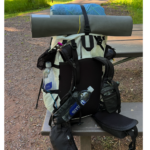
In 2025, I consider my MCAS to be 90% healed. I still have occasional symptom flares if I come in contact with mold, bump my head, or if my bucket overflows. But over 2024-2025, I gradually worked up to backpacking and covered over 1,200 miles solo on the Superior Hiking Trail and the North Country Trail. I’ve written over 400 blog posts on the tips and tricks I’ve learned along my MCAS journey, from recipes and supplements to how to camp/travel with MCAS to what to wear. Please read my blog for how I’ve learned to thrive with MCAS!
What helped the most?
The following things helped me the most to heal my MCAS. Click the linked blog posts to read more about each item on the list.
- Addressing mold in the home and mold toxicity in my body.
- Healing infections and detoxing.
- Healing my gut with the Supergut diet.
- Addressing sulfur cycle dysfunction.
- Addressing nervous system dysregulation with the SSP.
- Resetting my circadian health.
Gut dysbiosis and its relationship with MCAS
I’ve written a five-part series on the factors at work in healing gut dysbiosis, including:
Check out these circadian health tools!
I’m an affiliate with Bon Charge, a company that makes tools for circadian health, and you can receive 15% off your order with my coupon code BETSYL.
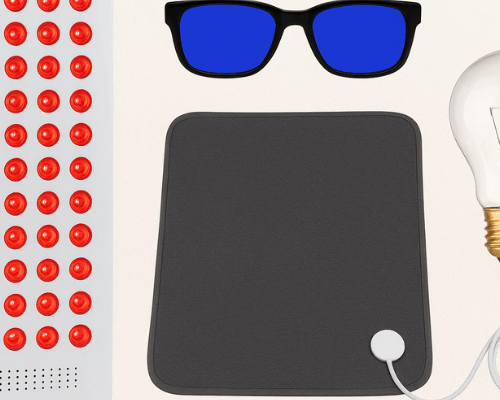
Bon Charge offers tools such as yellow– and red-tone blue-blocking glasses, red light therapy devices, PEMF mats, infrared saunas, and EMF-blocking products.
Sign up for the SSP!
I’ve found the Safe and Sound Protocol (SSP) to be the most helpful bottom-up healing strategy if your nervous system has been overloaded with toxic exposures, including mold or non-native EMFs, chronic infections, concussions, stress, or trauma. The SSP is a passive listening therapy that helps heal nervous system dysregulation. Many people with MCAS and other chronic conditions have nervous system dysregulation stemming from infections, toxic exposures, concussions, and trauma. The SSP is an easy-to-use app that lets you listen to specially filtered music for 30 minutes each day as part of a 5-hour cycle. Studies show the SSP has a profound effect on mental health and chronic conditions. Here’s a short podcast describing the Safe and Sound Protocol.
You can sign up for the SSP here!
Heal your mind!
While the SSP is a bottom-up, somatic therapy for healing the nervous system, the Sacred Self-Healing Method I offer is a top-down nervous system-healing modality that focuses on cognition, attention, perception, and emotion, using the mind’s higher functions. The SSP and the Sacred Self-Healing Method complement each other and together produce lasting results. Here’s a short podcast on my self-healing practice.
I provide one-on-one in-person and remote chronic illness and caregiver coaching, as well as Sacred Self-Healing Sessions based on the Sacred Self-Healing Method, a proven, novel co-creative healing modality detailed in my Books.
Order my books!
Here’s a short podcast highlighting my five books.
My latest book, Living In The Light: Healing with Forgiveness, Sound, and Light, is all about the tools that have been most helpful for me to heal: forgiveness, sound, through nervous system retraining using the Safe and Sound Protocol, and light, through entraining my circadian rhythm with the energy of the sun. Living In The Light is available here!
Rocks and Roots chronicles my solo backpacking journey on the Superior Hiking Trail and my efforts to overcome nervous system dysregulation, gut dysbiosis, and Mast Cell Activation Syndrome symptoms to complete the 328-mile hike successfully.
The Sacred Self-Healing Method ebook is available here and in most ebook retailers!
The Sacred Self-Healing Workbook is available for purchase here!
Betsy’s first book, Sacred Self-Healing: Finding Peace Through Forgiveness, is available here
Companion Recordings
The companion audio recordings of chants, guided meditations, and sound healing demonstrations that accompany the Sacred Self-Healing Method are available for free on my YouTube channel here
What do you think?
I’d love to have your reply below!
Disclaimer
The preceding material does not constitute medical advice. This information is for information purposes only and is not intended to be a substitute for professional medical advice, diagnosis, cure, or treatment.