

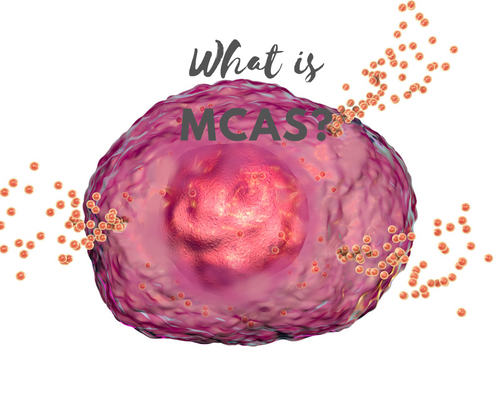
This post provides a primer on what is MCAS, or Mast Cell Activation Syndrome.
As an Amazon Associate, I earn from qualifying purchases.
The following material does not constitute medical advice. This information is for information purposes only and is not intended to be a substitute for professional medical advice, diagnosis, cure, or treatment. Always seek advice from your medical doctor.
Table of Contents
Who is Betsy Leighton?
I’m a writer, blogger, and healer dedicated to helping individuals reconnect with their innate peace and wholeness by healing nervous system dysregulation. My personal experience with chronic illness called Mast Cell Activation Syndrome (MCAS) shapes my work, and my content offers tools to empower those with chronic illness to improve their well-being and take charge of their health.
I created the Sacred Self-Healing Method and am a trained and certified Safe and Sound Protocol provider, an author, blogger, and A Course in Miracles Teacher. I hold a Master of Divinity in Spiritual Counseling and am a trained spiritual mentor, with certificates in sound healing, aromatherapy, nutrition, and Sacred Deathcare. I offer a self-study certificate program in the Sacred Self-Healing Method, provide spiritual counseling and coaching, courses, and supported subscriptions for the Safe and Sound Protocol.
What is MCAS?
Mast Cell Activation Syndrome (MCAS) is a chronic condition that affects all organ systems. It can cause severe, disabling symptoms every day, including potentially fatal anaphylaxis. MCAS often occurs with other chronic conditions like Ehlers-Danlos Syndrome (EDS) and Postural Orthostatic Tachycardia Syndrome (POTS). Managing MCAS is challenging because many healthcare providers are unaware of it, and diagnostic tests can be unreliable. Treatments include antihistamines and mast cell stabilizers, as well as avoiding triggers. Check out this post on managing MCAS.
What are mast cells?
Mast cells are part of our bodies that trigger immediate allergic reactions by releasing substances called “mediators,” which cause allergic symptoms. This process works in concert with antibodies; the triggering is known as “activation.” When too many mediators are released, the body begins to act as if it is under significant threat, even when the trigger is benign. For many people with Mast Cell Activation Syndrome, or MCAS (pronounced em-cass), normal healthy foods, environmental stimuli like scents, temperature variation, and even stress become triggers. When too many mediators are released, allergic symptoms escalat,e leading to major allergic events and even anaphylaxis.
Diagnosis of MCAS
Several issues stand in the way of easy diagnosis and treatment of Mast Cell diseases. Part of the problem with having a Mast Cell disease (there are several) is that knowledge about them is not yet widely available. Where I live in Minnesota, there are only two or possibly three knowledgeable providers who specialize in MCAS. Many functional providers are aware of it and can help with diagnosis and treatment. But there needs to be much more research and advocacy so that upcoming medical doctors know about (and don’t dismiss) Mast Cell diseases.
Mast Cell diseases can look like other diseases, and patients are often misdiagnosed for years before they finally figure out what is going on. The diagnostic tests for Mast Cell diseases are extraordinarily finicky, and many people are misdiagnosed due to faulty testing. And many uninformed providers suggest that patients stop taking the drugs controlling their symptoms before testing, which can cause catastrophic symptom flares.
Symptoms of MCAS
The range of symptoms that can occur in Mast Cell diseases spans practice areas from hematology to dermatology to oncology to rheumatology, and beyond. Because there is no single area of the body affected by Mast Cell diseases, medical providers often refer patients to another provider who presumably knows more about it. But in reality, there are only a handful of providers in the US who specialize in Mast Cell diseases. To be correctly diagnosed, you need to travel. Here is a list of providers.
The bucket theory
The bucket theory simplifies understanding symptom reactions with MCAS. Imagine your body as an empty bucket you don’t want to overflow. Reactions to various stimuli fill the histamine bucket at different rates, forming the total histamine level (how full your bucket is). More histamine means more symptoms. By managing triggers, reducing exposures, and taking medications and supplements, you can control your bucket’s level.
Know your typical symptom progression
Understanding your symptom progression during a flare is key to developing your rescue plan. This post discusses how to recognize symptom progression so you can be prepared to address them.
Get my free ebook, symptom log, and meal plan!
Want a tool to easily track your symptoms?
Resources
I’m not a health professional, and I can’t begin to do justice to the intricacies of MCAS and other Mast Cell Diseases. Still, I have found some excellent resources available to dig into it and read more:
- This site gives an excellent short intro about Mast Cell diseases.
- This video explains Mast Cell diseases in under ten minutes.
- Mast Attack. The author of this informative blog is a graduate-level Biologist who has Mast Cell disease. She has written extensively on the subject, breaking it down into layperson’s terms.
- This site, provides a summary of how Mast Cell diseases can affect each organ system, which can be helpful if you are working backward from symptoms to a possible diagnosis.
- This site, run by a Mast Cell provider, gives a good definition of MCAS.
- This functional medicine clinic offers online classes, coaching, and helpful information.
- This provider has a good introductory page that succinctly covers diagnosis and treatment.
- And there are many Facebook groups devoted to Mast Cell diseases to connect with other patients.
Treatments
The most common drugs that are prescribed for treating MCAS include:
Histamine 1 blockers – Hydroxyzine (Atarax), Doxepin (Silenor), Cyproheptadine (Periactin), Loratadine (Claritin), Fexofenadine (Allegra), Diphenhydramine (Benadryl), Ketotifen (Zaditen), and Cetirizine (Zyrtec, Reactine).
Histamine 2 blockers – Famotidine (Pepcid, Pepcid AC), Cimetidine (Tagamet, Tagamet HB), and Ranitidine (Zantac). Famotidine is chosen most often because it has fewer drug interactions than Tagamet.
Mast Cell Stabilisers – Cromolyn (Cromolyn Sodium, Gastrocom—oral form, Nasalcrom—nasal spray, Opticrom—eye drops, and there is a nebulized form and a cream can be made from a bottle of Nasalcrom and Eucerin or DMSO cream), Ketotifen (both a mast cell stabilizer and an H1 blocker), and Hydroxyurea (Hydrea).
Mast Cell Inhibitors – Montelukast (Singulair), Zafirlukast (Accolate), and Zileuton (Zyflo). Pentosan (Elmiron) is used in the genitourinary tract forthe treatment of perineal pain and interstitial cystitis.
Supplements
And here is a list of common supplements that help treat MCAS:
- Quercetin – 2000 mg daily, dose divided. I take this Nettle/Quercetin blend.
- Green tea — (EGCG, L-Theanine) – 2 to 3 cups daily. Supplement with 500 mg (175 mg of ECGC) twice daily
- Curcumin — (I take this brand – 1 to 4 g daily, dose divided
- Chamomile tea (Apigenin, luteolin) – 1 to 2 cups before bed. I experienced a significant breakthrough, though, when I added Luteolin (another flavonoid that is a mediator blocker) daily with each meal. Suddenly, I could tolerate many more foods, and my reactions were less severe.
- Resveratrol – 20 mg twice daily
- Diamine oxidase enzymes (DAO) – 2 capsules with each meal
- Vitamin C – may need a non-citrus source such as rose hips – 1 to 3 g daily
Knowing your mast cell triggers
Mast Cell triggers can include:
Environmental triggers
- Animal Dander (cat/dog/rat/bird/horse) & Animal Pelts (wool, skins)
- Mold Spores, Dust, Pollen
- Smoke (Cigarettes, fires, room smudges)
- Air Pollution (eg, car fumes, smog)
- Chlorinated tap water/pools/spas/baths
- Strong Odors (over-ripe food, seaweed, sewage, coffee, cinnamon, frying spices)
- Fragrance/Perfume, Air Fresheners, Essential Oils
- New Off-Gassing Products (car, carpets, furniture, clothing, house paint)
- Direct Sunlight (Ultraviolet Radiation)
- Bright, Flashing Lights, Fluorescent Light, Laptop/phone screen light
- Sudden Change in Temperature (eg, cold water immersion, saunas)
- Low-Pressure Systems (storms, flights, high altitude)
- Extreme Temperatures
- Heat (Summer, hot bath/shower, sauna, sun)
- Cold (winter/ snow/ cold ocean swims)
- Unnatural Fabric (non-cotton/linen clothing, bedding, etc.)
- Non-hypoallergenic Jewelry & Metals/Alloys (especially Nickel)
- Venom / Insect Bites (eg mosquitoes, bees, wasps, spiders, ants, jellyfish)
- Mechanical Irritation;
- Vibration (e.g., car/motorbike rides & loud music (festivals, concerts)
- Friction (eg, clothing, stroking, massages, sex)
- Pressure on the body (eg, tight clothing)
- WIFI radiation (potential Mast Cell destabilizer)
Chemical triggers
- Laundry Detergent (on clothing/bedding/curtains, etc.)
- House Cleaning Product Chemicals
- Personal Care Product Chemicals (Soaps, Shampoo/Conditioner, Toothpaste, Makeup)
- Pine Wood & Trees (eg, Xmas trees) / Trees in the fir family (Redwoods)
- Newspaper Ink, Wrapping Paper
- Rubber and Latex
- Medications (eg, Anesthetics, NSAIDs, opioids, antibiotics, aspirin, pain killers, iodine, quinine, narcotics (codeine, morphine), pills with dyes, vitamins, laxatives)
Physical triggers
- Exercise (especially dehydrated, fatigued, hungry/low blood sugar)
- Overheating and Sweat
- Dehydration (esp when exercising)
- Hunger
- Overeating / Large Meals (especially high-fat, protein, or salty food)
- Injury, Impact, Pain, Surgeries, Dentistry
- Estrogen (before & during a menstrual period)
- Strong Emotions (anger, sadness, etc.)
- Orgasms
- Stress (emotional, mental)
- Sleep Disturbances (being woken, insomnia, fatigue)
- Infections (viral, bacterial, or fungal)
- Having a full bladder
Food triggers
- Unfiltered Tap Water (chlorinated, heavy metals)
- Caffeine & Alcohol (DAO inhibitors)
- Charred/ Burnt Food (esp animal meat/skin)
- Leftovers, Aged, Fermented foods, Pickles & Preserves, Olives
- Vinegar (esp rice vinegar)
- Soy Sauce & Products
- Shellfish (Crabs, Prawns, Shrimp, Lobster, Crayfish, Squid, Calamari, Octopus, Mussels, Clams, Oysters, Scallops)
- Bananas
- Citrus Fruit
- Avocado
- Eggs
- All Legumes
- Spicy Food
- Sugar Substitutes
- Salicylates (stevia, etc.)
- Oxalates, Salicylates, Lectins
- Additives (colorants, flavors, gums, Sulphites, Preservatives (Sodium Benzoate)
- Glyco-phosphates in non-organic vegetables
- Gluten
- Nightshade Family (Tomato, Eggplant, Potatoes, Goji Berries, Peppers)
- Strawberries, Raspberries, Pineapple, Pears, Kiwi Fruit, Papaya
- Nuts (esp. peanuts, walnuts, cashews)
Complexity
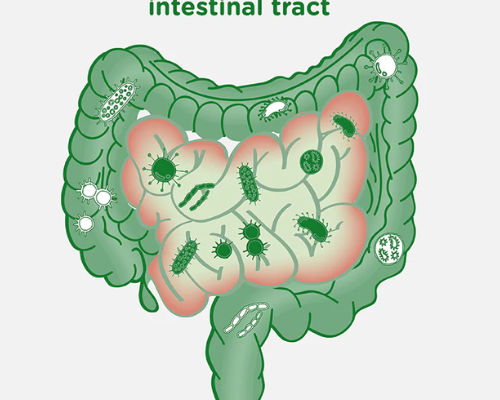
So, you can see that MCAS can be extremely pervasive, affect multiple body systems, and be frustrating to diagnose. It can take exhaustive tracking of diet and possible environmental triggers to figure out what your triggers are. What triggers one person may not trigger another. And what triggers a symptom flare today may not trigger one tomorrow in the same person, because variables such as past triggers and level of activation play a role.
Here is an example. On Saturday I was outside for part of the day at my son’s Ultimate Frisbee tournament (pollen, heat, sun, dehydration); I came home and mowed the lawn (fatigue, pollen, sun, heat, dehydration); and then I went out for a special anniversary dinner and splurged on a few foods that I know are ordinarily triggering (crab, spices). I took about five extra doses of my mast cell stabilizers over the evening and one extra Claritin, and I didn’t react.
After all those triggers the previous day (pollen, heat, sun, dehydration), I went to the second day of my son’s tournament (pollen, heat, sun, dehydration). For dinner, I ate one possibly triggering food and started experiencing my symptom progression: facial flushing, allergy symptoms, and sciatica. See my post on knowing your symptom progression. So, likely my bucket was still full from Saturday, when I had that possibly triggering food that overfilled it. The result was a pretty bad reaction.
Mast cell mediators
Yet, histamine is not the only mediator that can affect Mast Cells. Others are:
- Tryptase
- Chymase
- Interleukins
- Prostaglandins
- Cytokines
- Chemokine
- Proteases
My mast cell activation
As I discuss in my second book, and in episode 47 of the Miracle Voices Podcast, both of my daughters have Mast Cell Activation Syndrome (MCAS). However, one of them also has disabilities from a neurological disorder. I was my disabled daughter’s full-time caregiver from 2016 to 2022. In 2020, I experienced a health crisis and realized that I must also have MCAS. The stress of the pandemic, mold exposure, Lyme Disease, moving houses, and long-term caregiving became triggering events that pushed my body from being able to manage occasional triggers to entering a period of free fall as symptoms that had somehow been suppressed for years went out of control.
Within three months, I had to eliminate 75 percent of my diet because I suddenly could not tolerate them. I was alarmed to need more and more antihistamines to remain stable, and the things I had taken for granted – my toothpaste, my favorite foods, my essential oils, and dozens of other things – had to be discontinued to arrest the cycle of Mast Cell over-activation.
With the help of my functional medicine provider, my MCAS symptoms have been somewhat under control with a daily intake of an H1 blocker (Claritin), Quercetin (a flavonoid which is a mediator blocker), Vitamin C (an antioxidant), Curcumin (an anti-inflammatory), PEA (an endocannabinoid-like lipid mediator with extensively documented anti-inflammatory, analgesic, antimicrobial, immunomodulatory and neuroprotective effects), D-Hist (a targeted blend of flavonoids, antioxidants, proteolytic enzymes and botanicals to support allergies), and Histamin Block (an enzyme formula that replenishes DAO in your gut). But I was still experiencing symptom flares several times a week because my bucket was still too full.
My breakthroughs
Here are the top three treatments that have helped me heal my MCAS:
- Healing my gut. For me, this meant treating SIBO, realizing I had difficulty metabolizing sulfur, supplementing with digestive enzymes and butyric acid, and adhering to a gluten-free diet. The most life-changing improvements in this area happened when I started making my probiotic-rich yogurt. My book, Rocks and Roots, explains exactly how I healed my gut, including addressing SIBO, sulfur-cycle dysregulation, and adopting the supergut diet.
- Resynchronizing my circadian rhythm by being in nature. After spending over 30 nights camping outside in the wilderness alone one summer, I couldn’t ignore that nature was healing. After my first 3-day backpacking trip, my inflammation decreased dramatically, and my worst MCAS symptom (neuropathy) disappeared. Each time I went out on a 3-4 day backpacking trip, I successfully tried new foods that I had previously not tolerated. When I returned home from these trips, I noticed that my inflammation and symptoms took longer and longer to return. As the summer progressed, I got physically stronger and gained endurance. I stopped experiencing the symptoms of exercise intolerance early in the summer, and I began to lose the excess weight I had been carrying gradually. I also noticed that my nervous system was better regulated when I spent prolonged time in nature. I slept better, exercised more efficiently, and felt better for more extended periods after coming home. I attribute this to circadian resynching in nature and grounding/Earthing.
- Nervous system retraining. I use a combination of the Safe and Sound Protocol (SSP), which is a bottom-up healing strategy, and the Sacred Self-Healing Method, a top-down healing strategy, for nervous system retraining.
Check out these circadian health tools!
I’m an affiliate with Bon Charge, a company that makes tools for circadian health, and you can receive 15% off your order with my coupon code BETSYL.
Bon Charge offers tools such as yellow– and red-tone blue-blocking glasses, red light therapy devices, PEMF mats, infrared saunas, and EMF-blocking products.
Sign up for the SSP!
I’ve found the Safe and Sound Protocol (SSP) to be the most helpful bottom-up healing strategy if your nervous system has been overloaded with toxic exposures, including mold or non-native EMFs, chronic infections, concussions, stress, or trauma. The SSP is a passive listening therapy based on Polyvagal Theory that helps heal nervous system dysregulation. Many people with MCAS and other chronic conditions have nervous system dysregulation stemming from infections, toxic exposures, concussions, and trauma. The SSP is an easy-to-use app that lets you listen to specially filtered music for 30 minutes each day as part of a 5-hour cycle. Studies show the SSP has a profound effect on mental health and chronic conditions. Here’s a short podcast describing the Safe and Sound Protocol.
You can sign up for the SSP here!
Heal your mind!
While the SSP is a bottom-up, somatic therapy for healing the nervous system, the Sacred Self-Healing Method I offer is a top-down nervous system-healing modality that focuses on cognition, attention, perception, and emotion, using the mind’s higher functions. The SSP and the Sacred Self-Healing Method complement each other and together produce lasting results. Here’s a short podcast on my self-healing practice.
I provide one-on-one in-person and remote chronic illness and caregiver coaching, as well as Sacred Self-Healing Sessions based on the Sacred Self-Healing Method, a proven, novel co-creative healing modality detailed in my Books.
Order my books!
Here’s a short podcast highlighting my five books.
My latest book, Living In The Light: Healing with Forgiveness, Sound, and Light, is all about the tools that have been most helpful for me to heal: forgiveness, sound, through nervous system retraining using the Safe and Sound Protocol, and light, through entraining my circadian rhythm with the energy of the sun. Living In The Light is available here!
Rocks and Roots chronicles my solo backpacking journey on the Superior Hiking Trail and my efforts to overcome nervous system dysregulation, gut dysbiosis, and Mast Cell Activation Syndrome symptoms to complete the 328-mile hike successfully.
The Sacred Self-Healing Method ebook is available here and in most ebook retailers!
The Sacred Self-Healing Workbook is available for purchase here!
Betsy’s first book, Sacred Self-Healing: Finding Peace Through Forgiveness, is available here
Companion Recordings
The companion audio recordings of chants, guided meditations, and sound healing demonstrations that accompany the Sacred Self-Healing Method are available for free on my YouTube channel here
What do you think?
I’d love to have your reply below!
Disclaimer
The preceding material does not constitute medical advice. This information is for information purposes only and is not intended to be a substitute for professional medical advice, diagnosis, cure, or treatment.