If you are a caregiver, sometimes you need to dash out the door to support hour loved one. Sometimes you may sit in waiting rooms or doctor’s appointments to support them, and wish you had brought a snack or water — for you or them. This post delves into what I keep in my caregiver go-bag to support both of us.
As an Amazon Associate, I earn from qualifying purchases.
Who is Betsy Leighton?
I’m a writer, blogger, and healer dedicated to helping individuals reconnect with their innate peace and wholeness by healing nervous system dysregulation. My personal experience with chronic illness called Mast Cell Activation Syndrome (MCAS) shapes my work, and my content offers tools to empower those with chronic illness to improve their well-being and take charge of their health.
I created the Sacred Self-Healing Method and am a trained and certified Safe and Sound Protocol provider, an author, blogger, and A Course in Miracles Teacher. I hold a Master of Divinity in Spiritual Counseling and am a trained spiritual mentor, with certificates in sound healing, aromatherapy, nutrition, and Sacred Deathcare. I offer a self-study certificate program in the Sacred Self-Healing Method, provide spiritual counseling and coaching, courses, and supported subscriptions for the Safe and Sound Protocol.
What is MCAS?
Mast Cell Activation Syndrome (MCAS) is a chronic condition that affects all organ systems. It can cause severe, disabling symptoms every day, including potentially fatal anaphylaxis.
The common triggers for MCAS are infections, toxic exposures including mold exposure and EMFs, trauma, concussions, and stress.
MCAS often occurs with other chronic conditions like Ehlers-Danlos Syndrome (EDS) and Postural Orthostatic Tachycardia Syndrome (POTS). Managing MCAS is challenging because many healthcare providers are unaware of it, and diagnostic tests can be unreliable. Treatments include antihistamines and mast cell stabilizers in the form of medications and supplements, along with avoiding triggers. Check out this post on managing MCAS.
What is a go-bag?
In a regular-life context, a go-bag (also known as an emergency kit or bug-out bag) is a pre-packed bag filled with essential survival supplies. It is kept ready by the door or in a car so you can grab it instantly to sustain yourself for at least 72 hours during a rapid evacuation. For instance, schools stock go-bags in classrooms so that teachers can keep their students safe in the event of evacuation. People who live in fire- or earthquake-prone areas keep a go-bag packed in case they need to evacuate.
A well-stocked go bag covers basic survival needs:
- Hydration & Food: A 3-day supply of bottled water and non-perishable snacks like energy bars.
- Electronics: A portable phone charger, power bank, and a hand-crank or battery-powered radio.
- Safety & Tools: A first aid kit, flashlight, dust masks, and a whistle to signal for help.
- Personal Items: Prescription medications, copies of important documents (like IDs and insurance) in waterproof bags, and spare clothing.
What I keep in my caregiver go-bag
In a caregiving context, a go-bag is geared toward keeping you and your loved ones comfortable in the event of medical appointments, treatments, or hospitalizations.
When my kids were young I always carried a well-stocked a diaper bag with me. Besides diapers and wipes, I nursed my kids for a combined total of 11 years, and I needed high quality snacks and water with me at all times. When my kids were out of diapers, but before they were diagnosed, I carried snacks to keep everyone from getting hangry, water bottles, a small first aid kit for cuts and scrapes, a few homeopathic remedies to deal with injuries, bug bites or stings, Rescue Remedy, lip balm, and a crossword book.
As a caregiver when I left the house that level of preparedness morphed into a preparedness go-bag for my chronically ill family members. A caregiver’s go-bag is geared toward covering the basic supplies you need to keep your person going while away from home, as well as your own necessities so your needs are met. They are both equally important, because you can’t effectively caregive if you are overly fatigued, starving, or dehydrated.
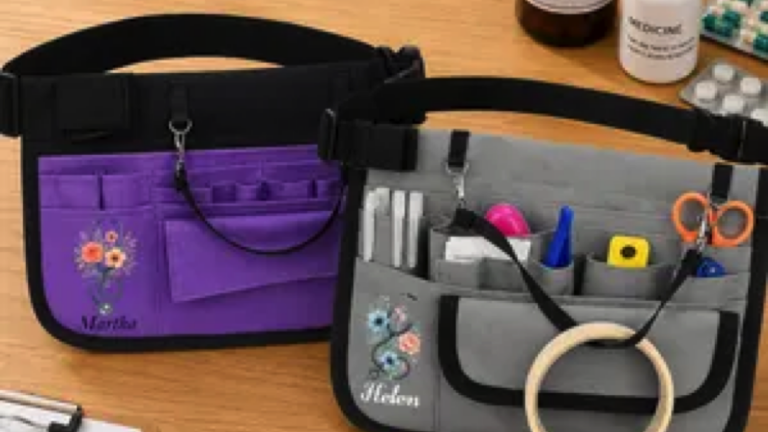
If you are creating your own caregiver go-bag, you’ll want to pack supplies for your person and supplies for yourself. Prioritize medications (at least a 3-day supply), essential medical documents (like Power of Attorney or health care directive), a phone charger, a change of comfortable clothes, and protein snacks. These days with smart phones you can keep important documents at your fingertips in a Google Drive or as .PDFs you can access on your phone.
Packing for two means your bag needs to be organized in a way that makes sense to you. Use these steps to ensure you are fully prepared:
Vital Documents (Keep in a waterproof zip-top bag or digitally on your phone or drive)
Any documents that you might need to present on behalf of your loved one:
- Medical History: A printed list of diagnoses, allergies, and blood types.
- Legal Documents: Copies of your Power of Attorney (POA), Advance Directives (health care directive), and Do Not Resuscitate (DNR) orders.
- Insurance & IDs: Front-and-back photocopies of health insurance cards, Medicare/Medicaid cards, and photo IDs.
Care Recipient Essentials:
These are the items your person needs to be able to function:
- Medications: A 3- to 7-day supply of all prescription meds, plus a list of prescribing doctors and pharmacy information.
- Medical Devices: Portable medical equipment your person relies on (e.g., feeding tube pump, CPAP machine, nebulizer, extra hearing aid batteries).
- Hygiene & Comfort: Face masks, hygiene supplies like toothbrush and toothpaste paste, baby wipes, a familiar comfort item (like a soft blanket or favorite family photo), and hand sanitizer.
- Symptom-Specific Comfort Items: If your person tends to get nausa or other discomfort with treatments or infusions, bring along trusted remedies and comfort items.
Caregiver Survival Gear:
These are the must-have items I carry in my go-bag for my own care and survival:
- Tech: I carry a small portable power bank and charging cables in a waterproof bag.
- Nutrition: Shelf-stable, high-protein snacks like Aloha bars, nuts, tea bags, a set of silverware, and multiple water bottles.
- Personal Care: A 3- to 7-day supply of my own regular prescription medications and supplements, basic toiletries, a full change of clothing with extra socks and underwear, and any necessities for sleeping.
Sanity Survival Items:
By this I mean items to help you relax, deal with trauma if it occurs, and remind you to get back in your body when you are spending so much time focused on someone else’s needs. For instance, when I have taken loved ones to Mayo Clinic for a 3-day round of tests and appointments, I
- E-books to pass the time on your phone or e-reader, podcasts, music playlist on Spotify, etc.
- Meditation app like Headspace.
- I use the Safe and Sound Protocol whenever I have a stressful life event, to help keep my nervous system regulated, and deal with any stressful or traumatic events. So, in addition to the SSP app on my phone, I bring headphones, a coloring book, and a set of markers for that.
- Crossword books, word games, or other games on your phone.
- Good walking shoes, jacket, hat, and mittens (if it’s winter) so I can go outside to get fresh air and natural light, and take a walk around the campus.
For a Hospital Stay:
Sometimes I’ve needed to spend days or weeks with a loved one in the hospital, and I’ve found it helpful to maintain a home-like routine where I get natural light outside, do yoga, take walks, eat at normal meal times, and rest. Nurses often need to take vitals during the night, which causes interrupted sleep, so I prioritize napping in one of those recliner chairs every afternoon. When planning for an extended hospital stay, some extra items that I have found helpful while supporting a family member are:
- A yoga mat.
- Favorite essential oil like orange or grapefruit plus a small diffuser to make the hospital room smell more pleasant. Or you put a drop on a cotton ball and sniff it occasionally.
- A cozy blanket helped me feel more at home and kept the chill off while napping in a reclined hospital guest chair.
- Check into local resources for meals, showers, beds to nap, etc. for families with a hospitalized family member such as the Ronald McDonald house, hospital chapel (for meditating or just being in a quiet space). Many organizations donate resources and time to support families at the hospital, from fleece blankets, to stuffed animals, toiletry bags, comfort items, snacks, and meals. Don’t feel shy about asking what is available.
Have it ready to go
I have a go-bag packed by my door that contains all of these things. If there was a fire or other emergency I would grab it as I left the house. I also keep a go-bag packed in my car so I’m prepared to deal with a family member’s health crisis, should it arise. If you thoughtfully put together a go-bag during a non-stressful time, you are giving yourself a future gift of peace of mind when a crisis arises.
Caregiver resources
This post covers the dangers of not managing caregiving stress.
This post discusses tips for managing caregiving.
This post covers trauma in caregiving.
This post discusses having healthy boundaries when caregiving.
This post covers self-care for chronic illness.
This post provides caregiver survival tips.
The bucket theory
The bucket theory simplifies understanding symptom reactions with MCAS. Imagine your body as an empty bucket you don’t want to overflow. Reactions to various stimuli fill the histamine bucket at different rates, forming the total histamine level (how full your bucket is). More histamine means more symptoms. By managing triggers, reducing exposures, and taking medications and supplements, you can control your bucket’s level.
Know your typical symptom progression
Understanding your symptom progression during a flare is key to developing your rescue plan. This post discusses how to recognize symptom progression so you can be prepared to address them.
Get my free ebook, symptom log, and meal plan!
Want a tool to easily track your symptoms?
Check out these circadian health tools!
I’m an affiliate with Bon Charge, a company that makes tools for circadian health, and you can receive 15% off your order with my coupon code BETSYL.
Bon Charge offers tools such as yellow– and red-tone blue-blocking glasses, red light therapy devices, PEMF mats, infrared saunas, and EMF-blocking products.
Sign up for the SSP!
I’ve found the Safe and Sound Protocol (SSP) to be the most helpful bottom-up healing strategy if your nervous system has been overloaded with toxic exposures, including mold or non-native EMFs, chronic infections, concussions, stress, or trauma. The SSP is a passive listening therapy that helps heal nervous system dysregulation. Many people with MCAS and other chronic conditions have nervous system dysregulation stemming from infections, toxic exposures, concussions, and trauma. The SSP is an easy-to-use app that lets you listen to specially filtered music for 30 minutes each day as part of a 5-hour cycle. Studies show the SSP has a profound effect on mental health and chronic conditions. Here’s a short podcast describing the Safe and Sound Protocol.
You can sign up for the SSP here!
Heal your mind!
While the SSP is a bottom-up, somatic therapy for healing the nervous system, the Sacred Self-Healing Method I offer is a top-down nervous system-healing modality that focuses on cognition, attention, perception, and emotion, using the mind’s higher functions. The SSP and the Sacred Self-Healing Method complement each other and together produce lasting results. Here’s a short podcast on my self-healing practice.
I provide one-on-one in-person and remote chronic illness and caregiver coaching, as well as Sacred Self-Healing Sessions based on the Sacred Self-Healing Method, a proven, novel co-creative healing modality detailed in my Books.
Order my books!
Here’s a short podcast highlighting my five books.
My latest book, Living In The Light: Healing with Forgiveness, Sound, and Light, is all about the tools that have been most helpful for me to heal: forgiveness, sound, through nervous system retraining using the Safe and Sound Protocol, and light, through entraining my circadian rhythm with the energy of the sun. Living In The Light is available here!
Rocks and Roots chronicles my solo backpacking journey on the Superior Hiking Trail and my efforts to overcome nervous system dysregulation, gut dysbiosis, and Mast Cell Activation Syndrome symptoms to complete the 328-mile hike successfully.
The Sacred Self-Healing Method ebook is available here and in most ebook retailers!
The Sacred Self-Healing Workbook is available for purchase here!
Betsy’s first book, Sacred Self-Healing: Finding Peace Through Forgiveness, is available here
Companion Recordings
The companion audio recordings of chants, guided meditations, and sound healing demonstrations that accompany the Sacred Self-Healing Method are available for free on my YouTube channel here
What do you think?
I’d love to have your reply below!
Disclaimer
The preceding material does not constitute medical advice. This information is for information purposes only and is not intended to be a substitute for professional medical advice, diagnosis, cure, or treatment.