
This post will give you an understanding of the price of trauma and chronic illness. You may harbor trauma in your body; most humans do. And having a chronic illness brings with it many possible traumatizing events, from medical procedures to stigmatization to marginalization. The following introduction to trauma is provided to help you understand what trauma is.
As an Amazon Associate, I earn from qualifying purchases.
Table of Contents
Who is Betsy Leighton?
I’m a writer, blogger, and healer dedicated to helping individuals reconnect with their innate peace and wholeness by healing nervous system dysregulation. My personal experience with chronic illness called Mast Cell Activation Syndrome (MCAS) shapes my work, and my content offers tools to empower those with chronic illness to improve their well-being and take charge of their health.
I created the Sacred Self-Healing Method and am a trained and certified Safe and Sound Protocol provider, an author, blogger, and A Course in Miracles Teacher. I hold a Master of Divinity in Spiritual Counseling and am a trained spiritual mentor, with certificates in sound healing, aromatherapy, nutrition, and Sacred Deathcare. I offer a self-study certificate program in the Sacred Self-Healing Method, provide spiritual counseling and coaching, courses, and supported subscriptions for the Safe and Sound Protocol.
What is MCAS?
Mast Cell Activation Syndrome (MCAS) is a chronic condition that affects all organ systems. It can cause severe, disabling symptoms every day, including potentially fatal anaphylaxis. MCAS often occurs with other chronic conditions like Ehlers-Danlos Syndrome (EDS) and Postural Orthostatic Tachycardia Syndrome (POTS). Managing MCAS is challenging because many healthcare providers are unaware of it, and diagnostic tests can be unreliable. Treatments include antihistamines and mast cell stabilizers, as well as avoiding triggers. Check out this post on managing MCAS.
What is trauma?
Trauma can be divided into four basic categories: physical trauma, emotional trauma, or psychic injury; psychological trauma, or mental injury; and spiritual trauma. You usually have no conscious choice about whether or not you will experience some injury or trauma. But when/if you are ready, you can choose to address what has happened through trauma healing modalities. Your mind, body, and spirit can reorganize the power of an event, create meaning and purpose, transform an injury into a tool for seeing things differently, and bring forgiveness to the event. Apart from the pain, some traumatic experiences can also be seen as initiatory, such as an event that pushes you out of your comfort zone and allows you to learn and grow.
Trauma and chronic illness
Trauma and chronic illness are closely related because trauma, particularly when prolonged or unresolved, can dysregulate the nervous system and trigger chronic stress responses. This prolonged activation of the stress response affects the immune, endocrine, and autonomic nervous systems, contributing to the development or worsening of chronic illnesses.
Dissociation
Trauma is an underlying factor in poverty, abuse, mental illness, an inability to form healthy emotional attachments with other people, and substance abuse, among other things. The mind responds to trauma by dissociating, shutting down, and withdrawing from harm. This state of withdrawal becomes habitual and is an automatic defense mechanism that may be triggered even in the absence of harmful circumstances. The unconscious habit of dissociating keeps you from being fully present at the moment; part of your mind turns off, so you cannot give your full attention to anything. All aspects of life are affected by trauma because part of the mind is constantly “busy” trying to hold the unpleasant or painful feelings at bay.
Types of trauma
You may have experienced trauma caused by events in a past lifetime(s), as a child before you were conscious, or at any point during your life. You might experience an event that suddenly triggers a traumatic memory to surface, without knowing where it came from or what to do with it. You can experience what is sometimes trauma with a “small t” when cumulative events in your life add up to a big pattern of trauma. Your body may experience the daily cumulative trauma of living in our fast-paced media-driven world, where troubling images come at us devoid of their context all the time and lodge in the subconscious. And then there is collective or generational trauma that the family, community, or society carries and passes on to younger generations through genetics.
Trauma symptoms
On his website, Peter Levine, a psychologist who developed the trauma healing technique known as Somatic Experiencing, discusses how the symptoms of trauma can hide in the subconscious for decades. When they surface, the symptoms may occur in clusters, becoming more complex and increasingly distant from the actual traumatizing event over time.
Healing trauma and chronic illness
The Safe and Sound Protocol (SSP) is considered a “bottom-up” therapy technique, as it primarily focuses on regulating the nervous system through sound stimulation, targeting the body’s physiological state rather than directly addressing cognitive thoughts or behaviors (like a “top-down” approach)
Somatic or body-based symptoms of trauma
Trauma also settles into the body and can manifest as physical symptoms such as stomach aches, rapid heartbeat, aches and pains, or an exaggerated startle reflex. So to effectively heal trauma, it needs to be addressed in both the body and the mind. Body-based somatic trauma therapies can focus on movement, tapping on the body, vagal re-training, or eye movements. Animals are adept at physically processing trauma on their own immediately after experiencing a traumatic event by shaking, running, or other movements. Humans tend to rationalize traumatic experiences, pushing them further into the subconscious, or “bright-siding” situations with toxic positivity. We can learn from animals to help us feel the experience more closely to the traumatizing event.
The bucket theory
The bucket theory simplifies understanding symptom reactions with MCAS. Imagine your body as an empty bucket you don’t want to overflow. Reactions to various stimuli fill the histamine bucket at different rates, forming the total histamine level (how full your bucket is). More histamine means more symptoms. By managing triggers, reducing exposures, and taking medications and supplements, you can control your bucket’s level.
Know your typical symptom progression
Understanding your symptom progression during a flare is key to developing your rescue plan. This post discusses how to recognize symptom progression so you can be prepared to address them.
Get my free ebook, symptom log, and meal plan!
Want a tool to easily track your symptoms?
Telling your nervous system you are safe
Part of getting the message to your body and brain that you are safe involves getting past these defenses in a non-threatening way. You can start by getting quiet and assessing yourself to determine where you are internally. Tune in to what you are experiencing in your body and mind to try to discover where the energy is stuck.
Processing trauma
If your dominant processing modality is somatic (or body-based), you might more easily process trauma in the body on your own and need more help with the cognitive (or thinking) part of the trauma. Conversely, if you are more of a cognitive processor, you might need more help processing the somatic parts. So healing does not always need to target both locations. Successful trauma healing addresses the whole person, in body, mind, and spirit. It proceeds at a pace that creates a sense of safety while gently allowing the underlying pain to surface over time in a safe and nurturing environment.
We re-process trauma in bytes or segments as it rises to the surface from the subconscious. After reprocessing a traumatic event, you might be surprised to have it come up again to be processed at another level with greater intensity. You may also be caught off guard when trauma comes to the surface to be processed when your body has a chance to rest and relax, and you have let down your guard.
Getting help
Though you may fervently wish to heal your trauma on your own, this can be challenging because the body and mind act protectively to keep trauma from your consciousness. Working with a professional to address trauma can be extremely helpful, but there are also some things that you can do on your own. Knowing that trauma lives in your body for a reason is a useful way of thinking about it. Dr. Megan Voss says about trauma, “the first step in the path towards healing trauma is to thank your body, to reframe what is happening from a disorder to an adaptation.” Your body and mind created the trauma response in order to keep you safe, and they will continue to hold that energetic pattern until it is clear you are no longer in danger. Trauma can be less about the stressors in your life and more about how you become empowered to respond to them.
Homeopathy for trauma healing
I discuss homeopathy for MCAS and chronic illness in this post. My favorite homeopathic remedy for MCAS is Energetix. Energetix homeopathic products are prepared according to the HPUS (Homeopathic Pharmacopeia of the United States) and formulated to address a wide range of modern concerns effectively. The pleasant-tasting liquid form of Energetix remedies is easy to dose and use.
Energetix makes three types of homeopathic remedies: Paths, Tones, and Chords.
- Paths – Product names ending in “Path” are for symptoms related to weakness or imbalance in systems, organs, glands, or tissues.
- Tones – Product names ending in “Tone” are for symptoms related to congestion or stress in systems, organs, glands, or tissues.
- Chords – Product names ending in “Chord” are for symptoms related to systems, organs, glands, or tissues that are compromised or overburdened by toxins.
With Energetix remedies, you are best off combining a Chord with a Tone; the Chord addresses toxicity in the body, while the Tone provides drainage support to excrete the toxins. Paths can be taken without the support of a Tone.
Here is my list of go-to Energetix Remedies for MCAS.
Calm Five – is helpful for trauma
Relax Tone is one of my favorite supports for restlessness and sleep
Relief Tone helps address injuries and trauma
Isopathic Phenolic Rings support those with multiple sensitivities
Drainage Tone supports detox pathways
Hypothamalapath – assists with neuropathy, concussion, brain fog, sleep, and hot flashes.
Lymph-Tone II assists with detoxing chronic issues
Lymph-Tone III is helpful in problems detoxing due to hypersensitivities and neuropathy
It is important to pair Chords with Tones. If you would like help choosing remedies for your specific situation, please schedule a session with me for individualized support. Click here to schedule a session.
Trauma resources
Nervous system retraining – MCAS symptoms are often worsened by dysregulation of the Autonomic Nervous System (ANS), especially an overactive sympathetic (fight-or-flight) branch. I have used many techniques that promote parasympathetic (rest-and-digest) activation, such as deep breathing, meditation, sound healing, and vagus nerve stimulation, to calm mast cell activity and reduce symptom flares. However, the Safe and Sound Protocol (SSP) is the most effective technique I have found to calm my ANS and promote a parasympathetic state, and I am excited to share this with my clients.
Check out these circadian health tools!
I’m an affiliate with Bon Charge, a company that makes tools for circadian health, and you can receive 15% off your order with my coupon code BETSYL.
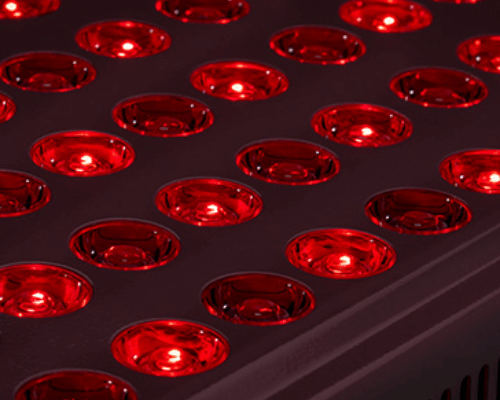
Bon Charge offers tools such as yellow– and red-tone blue-blocking glasses, red light therapy devices, PEMF mats, infrared saunas, and EMF-blocking products.
Sign up for the SSP!
I’ve found the Safe and Sound Protocol (SSP) to be the most helpful bottom-up healing strategy if your nervous system has been overloaded with toxic exposures, including mold or non-native EMFs, chronic infections, concussions, stress, or trauma. The SSP is a passive listening therapy based on Polyvagal Theory that helps heal nervous system dysregulation. Many people with MCAS and other chronic conditions have nervous system dysregulation stemming from infections, toxic exposures, concussions, and trauma. The SSP is an easy-to-use app that lets you listen to specially filtered music for 30 minutes each day as part of a 5-hour cycle. Studies show the SSP has a profound effect on mental health and chronic conditions. Here’s a short podcast describing the Safe and Sound Protocol.
You can sign up for the SSP here!
Heal your mind!
While the SSP is a bottom-up, somatic therapy for healing the nervous system, the Sacred Self-Healing Method I offer is a top-down nervous system-healing modality that focuses on cognition, attention, perception, and emotion, using the mind’s higher functions. The SSP and the Sacred Self-Healing Method complement each other and together produce lasting results. Here’s a short podcast on my self-healing practice.
I provide one-on-one in-person and remote chronic illness and caregiver coaching, as well as Sacred Self-Healing Sessions based on the Sacred Self-Healing Method, a proven, novel co-creative healing modality detailed in my Books.
Order my books!
Here’s a short podcast highlighting my five books.
My latest book, Living In The Light: Healing with Forgiveness, Sound, and Light, is all about the tools that have been most helpful for me to heal: forgiveness, sound, through nervous system retraining using the Safe and Sound Protocol, and light, through entraining my circadian rhythm with the energy of the sun. Living In The Light is available here!
Rocks and Roots chronicles my solo backpacking journey on the Superior Hiking Trail and my efforts to overcome nervous system dysregulation, gut dysbiosis, and Mast Cell Activation Syndrome symptoms to complete the 328-mile hike successfully.
The Sacred Self-Healing Method ebook is available here and in most ebook retailers!
The Sacred Self-Healing Workbook is available for purchase here!
Betsy’s first book, Sacred Self-Healing: Finding Peace Through Forgiveness, is available here
Companion Recordings
The companion audio recordings of chants, guided meditations, and sound healing demonstrations that accompany the Sacred Self-Healing Method are available for free on my YouTube channel here
What do you think?
I’d love to have your reply below!
Disclaimer
The preceding material does not constitute medical advice. This information is for information purposes only and is not intended to be a substitute for professional medical advice, diagnosis, cure, or treatment.