


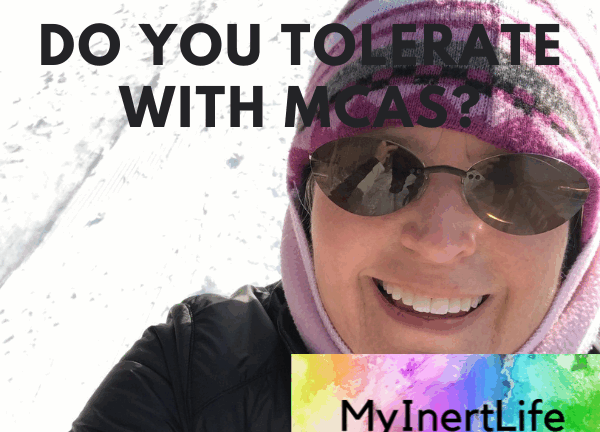
Here are the basics for tolerating exercise with MCAS. I love to cross-country ski, and with the recent snowfall we received in Minnesota this week, I was excited to get out on the tracks! Part of exercising sustainably for me is knowing how much exertion I can tolerate with my MCAS. Exercise intolerance is a hallmark of Mast Cell Activation Syndrome (MCAS).
As an Amazon Associate, I earn from qualifying purchases.
Who is Betsy Leighton?
I’m a writer, blogger, and healer dedicated to helping individuals reconnect with their innate peace and wholeness by healing nervous system dysregulation. My personal experience with chronic illness called Mast Cell Activation Syndrome (MCAS) shapes my work, and my content offers tools to empower those with chronic illness to improve their well-being and take charge of their health.
I created the Sacred Self-Healing Method and am a trained and certified Safe and Sound Protocol provider, an author, blogger, and A Course in Miracles Teacher. I hold a Master of Divinity in Spiritual Counseling and am a trained spiritual mentor, with certificates in sound healing, aromatherapy, nutrition, and Sacred Deathcare. I offer a self-study certificate program in the Sacred Self-Healing Method, provide spiritual counseling and coaching, courses, and supported subscriptions for the Safe and Sound Protocol.
What is MCAS?
Mast Cell Activation Syndrome (MCAS) is a chronic condition that affects all organ systems. It can cause severe, disabling symptoms every day, including potentially fatal anaphylaxis. MCAS often occurs with other chronic conditions like Ehlers-Danlos Syndrome (EDS) and Postural Orthostatic Tachycardia Syndrome (POTS). Managing MCAS is challenging because many healthcare providers are unaware of it, and diagnostic tests can be unreliable. Treatments include antihistamines and mast cell stabilizers, as well as avoiding triggers. Check out this post on managing MCAS.
Why wouldn’t you tolerate exercise with MCAS?
Exercise intolerance is an inability or impaired ability to perform physical activity at an expected level or duration for your age and/or current fitness level.
Besides exercise intolerance, there are other reasons why you might not tolerate exercise when you have MCAS:
1. Histamine Release During Exercise
• Exercise naturally stimulates histamine release as part of the body’s normal response to increased blood flow and energy demand.
• In individuals with MCAS, this histamine release is exaggerated, leading to symptoms such as flushing, itching, hives, nasal congestion, or difficulty breathing.
2. Heat Intolerance and Increased Body Temperature
• Physical activity raises body temperature, which can trigger mast cells to release histamine, worsening symptoms like skin redness, itching, or swelling.
• Heat intolerance is common in MCAS and can make even mild exercise uncomfortable.
3. Increased Stress Response
• Exercise activates the sympathetic nervous system and increases the release of adrenaline and cortisol.
• For individuals with MCAS, this stress response can further activate mast cells, leading to systemic symptoms like dizziness, fatigue, or gastrointestinal distress.
4. Cardiovascular Dysregulation (POTS Connection)
• Many individuals with MCAS also have postural orthostatic tachycardia syndrome (POTS) or other forms of dysautonomia.
• Exercise, particularly activities that involve standing or rapid movement, can worsen heart rate variability and blood pressure regulation, causing lightheadedness, fatigue, or fainting.
5. Muscle Microtrauma and Inflammation
• Exercise causes small amounts of muscle microtrauma, which is part of the normal repair and growth process.
• In MCAS, this localized inflammation can trigger excessive mast cell activity, leading to delayed-onset muscle soreness that is more intense or prolonged.
The bucket theory
The bucket theory simplifies understanding symptom reactions with MCAS. Imagine your body as an empty bucket you don’t want to overflow. Reactions to various stimuli fill the histamine bucket at different rates, forming the total histamine level (how full your bucket is). More histamine means more symptoms. By managing triggers, reducing exposures, and taking medications and supplements, you can control your bucket’s level.
Know your typical symptom progression
Understanding your symptom progression during a flare is key to developing your rescue plan. This post discusses how to recognize symptom progression so you can be prepared to address them.
Get my free ebook, symptom log, and meal plan!
Want a tool to easily track your symptoms?
But exercise is good for you!
Yes! Exercise can also help modulate your mast cell activation.
The key is to know how much exercise you can tolerate and stay within your body’s safe limits.
So, how do you do that?
Evaluate your symptoms
First, you need to understand your typical symptom progression. So, before you even put on your gym shoes or strap on your skis, you should assess where you are on your symptom progression. If you are already experiencing one or more of your symptoms, that can serve as your guide to whether you need to take any of the steps on your rescue plan before you exercise, and how much exercise to safely undertake.
Tailor your workout to your symptoms
Let’s say you are thinking of taking a walk outdoors. You pause to evaluate whether you are experiencing any of your mast cell or histamine intolerance symptoms, and you notice that one of your typical symptoms is happening, but otherwise, you feel okay. So, you take your first rescue medication or supplement and plan a workout that you expect to be successful, based on how your symptoms usually progress.
Scale back if necessary
If you begin to experience more symptoms, that is the time to slow down or stop physical activity. Take another rescue medication if necessary, and monitor what is happening. If symptoms continue to ramp up, you will want to take the next steps in your rescue plan. Note the triggers this time, whether it was heat, movement, exertion, sun, or whatever. And make notes for next time so that you can control your symptoms sooner.
Don’t sweat it!
Exercise is going to look different now relative to before contracting MCAS. It can be frustrating when you want to get out and enjoy nature, move your body, and experience the benefits of cardio. But staying within your bucket is the key to being able to exercise at all. You may find that, with practice, your tolerance builds over time and you can manage a longer or more intense workout. But if you can’t, treat it as additional information about your MCAS and continue making tweaks to your regimen.
Check out these circadian health tools!
I’m an affiliate with Bon Charge, a company that makes tools for circadian health, and you can receive 15% off your order with my coupon code BETSYL.
Bon Charge offers tools such as yellow– and red-tone blue-blocking glasses, red light therapy devices, PEMF mats, infrared saunas, and EMF-blocking products.
Sign up for the SSP!
I’ve found the Safe and Sound Protocol (SSP) to be the most helpful bottom-up healing strategy if your nervous system has been overloaded with toxic exposures, including mold or non-native EMFs, chronic infections, concussions, stress, or trauma. The SSP is a passive listening therapy based on Polyvagal Theory that helps heal nervous system dysregulation. Many people with MCAS and other chronic conditions have nervous system dysregulation stemming from infections, toxic exposures, concussions, and trauma. The SSP is an easy-to-use app that lets you listen to specially filtered music for 30 minutes each day as part of a 5-hour cycle. Studies show the SSP has a profound effect on mental health and chronic conditions. Here’s a short podcast describing the Safe and Sound Protocol.
You can sign up for the SSP here!
Heal your mind!
While the SSP is a bottom-up, somatic therapy for healing the nervous system, the Sacred Self-Healing Method I offer is a top-down nervous system-healing modality that focuses on cognition, attention, perception, and emotion, using the mind’s higher functions. The SSP and the Sacred Self-Healing Method complement each other and together produce lasting results. Here’s a short podcast on my self-healing practice.
I provide one-on-one in-person and remote chronic illness and caregiver coaching, as well as Sacred Self-Healing Sessions based on the Sacred Self-Healing Method, a proven, novel co-creative healing modality detailed in my Books.
Order my books!
Here’s a short podcast highlighting my five books.
My latest book, Living In The Light: Healing with Forgiveness, Sound, and Light, is all about the tools that have been most helpful for me to heal: forgiveness, sound, through nervous system retraining using the Safe and Sound Protocol, and light, through entraining my circadian rhythm with the energy of the sun. Living In The Light is available here!
Rocks and Roots chronicles my solo backpacking journey on the Superior Hiking Trail and my efforts to overcome nervous system dysregulation, gut dysbiosis, and Mast Cell Activation Syndrome symptoms to complete the 328-mile hike successfully.
The Sacred Self-Healing Method ebook is available here and in most ebook retailers!
The Sacred Self-Healing Workbook is available for purchase here!
Betsy’s first book, Sacred Self-Healing: Finding Peace Through Forgiveness, is available here
Companion Recordings
The companion audio recordings of chants, guided meditations, and sound healing demonstrations that accompany the Sacred Self-Healing Method are available for free on my YouTube channel here
What do you think?
I’d love to have your reply below!
Disclaimer
The preceding material does not constitute medical advice. This information is for information purposes only and is not intended to be a substitute for professional medical advice, diagnosis, cure, or treatment.